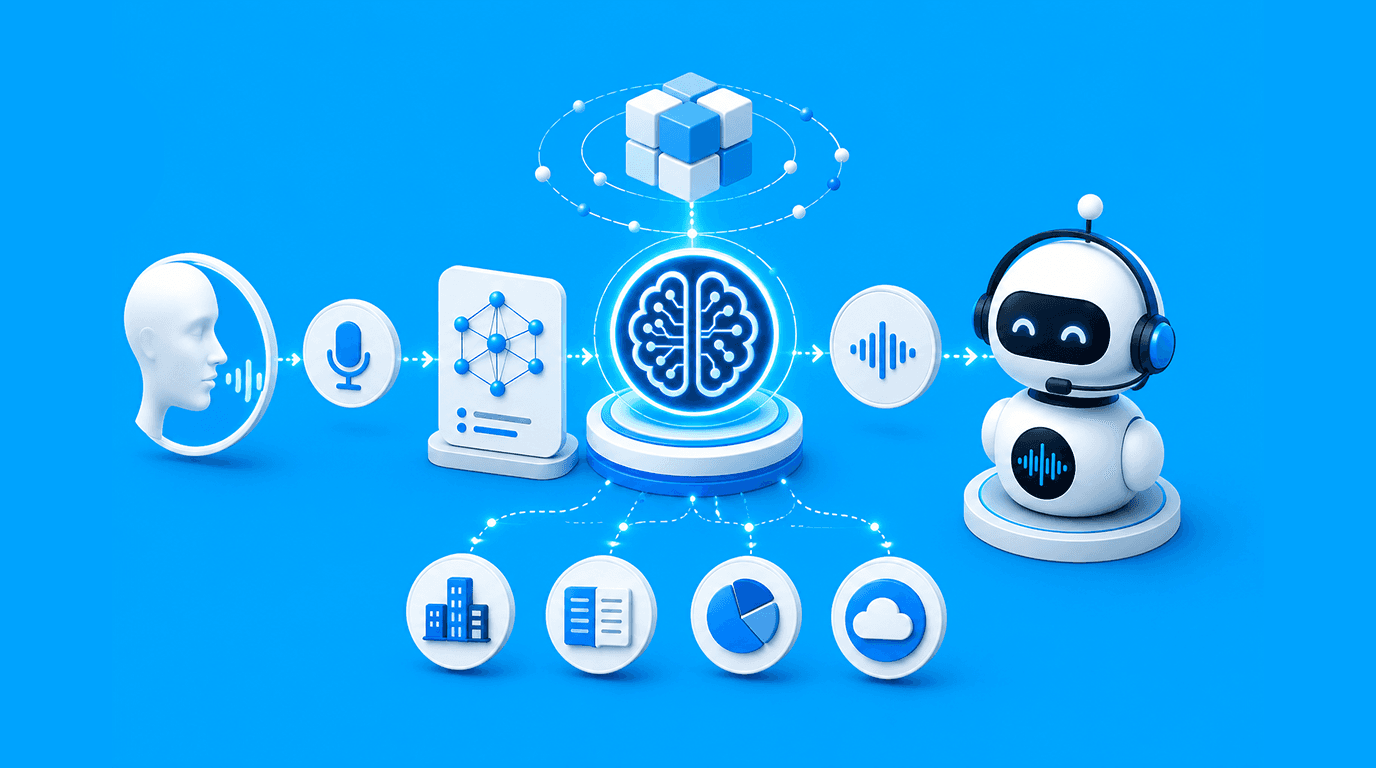
Localization is crucial to a global business strategy in an increasingly interconnected world. It involves modifying content, products, or services to align with a specific target locale’s linguistic, cultural, and functional needs. Localization goes beyond mere translation; it ensures that your brand feels authentically local to users around the globe
Of course, modern localization also has challenges in linguistic aspects, and cultural nuances must be maintained while multilingual solutions are almost always technically implemented across platforms. This implies that the language choice of the business dictates just how much respect will be given to the localization process. At the same time, scalability and integration into current workflows must also be addressed.
When considering localization tools, our criteria include flexibility across languages (English to Assamese Translation, for example), AI-driven accuracy, automation potential, and seamless integration into development pipelines. In this article, we introduce six powerful tools and platforms to help businesses of all sizes achieve high-quality multilingual localization.
Tool #1: Translation Management Systems (TMS)
TMSs are essential for coordinating complex localization projects. These platforms offer workflow automation, centralized terminology management, and collaborative features to ease localization.
Use Cases: TMS platforms are beneficial for enterprises managing high volumes of content, marketing teams ensuring brand voice consistency across multiple authors, and developers working in CI/CD environments.
Tool #2: AI-Enhanced Machine Translation
Neural machine-based Indian Language Translation has evolved into a vastly refined area with almost-human quality for many language pairs. AI-enhanced tools today better contextualize phrases, manage idioms, and treat language-specific nuances.
Integration: Using one API to integrate into TMS, CMS, and custom workflows.
Best Practices: Use for first drafts followed by human post-editing; combine with glossary tools for brand consistency.
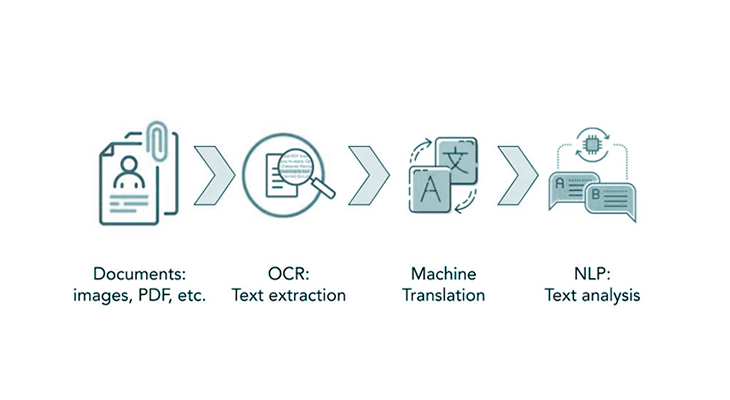
Tool #3: Optical Character Recognition
OCR tools can convert scanned documents, images, and PDFs into editable and translatable text. They are crucial for localizing legacy material, documentation, and forms.
Businesses can speed up their time to market dramatically while ensuring correct cultural and linguistic accuracy by using a combination of tools: using OCR to scan documents, AI machine translation for first drafts, and a TMS for workflow management.
For a startup trying out new markets or an enterprise with 42+ languages to manage, one needs to set the best course in localization to use a mix of the right tools that meet content needs, technical stack, and scalability objectives. In the future, localization will offer an era of intelligent, efficient, and culturally aware global communication: AI and automation will continue to evolve.
Integration: OCR tools can direct-feed text into translation systems to speed up localization.
ROI Consideration: Reduction of manual data entry costs while retaining the original formatting.
Also Read: A Complete Strategy To Pick The Right Languages For Localization
Tool #4: Document Translation Solutions
Document translation will be accurate only if there is consistency in brand voice and terminology.
Key Features
- Terminology databases
- Translation memory
- Style guides
Integration: These platforms integrate with TMSs and CMSs for a smooth document updating process.
Success Metrics: Time to publish, consistency across languages, reduced time for post-edit.-
Main Features:
- Different URLs for various languages
- Content versioning depending on the target language
- Role access of translators based on their roles
Considerations for implementation: These will be determined based on the content volume, developing resource availability, and the need for integration.
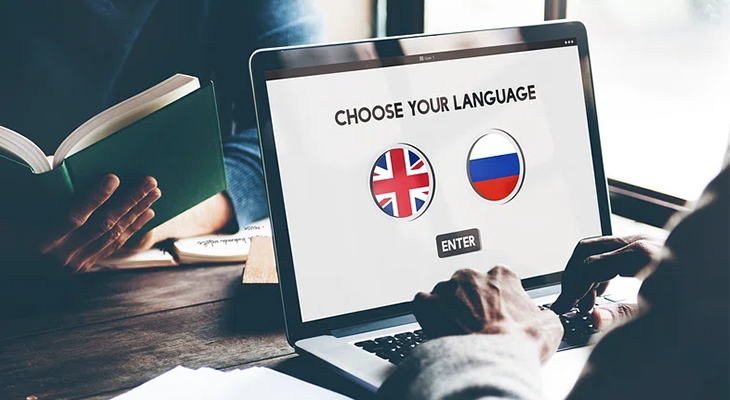
Using Tool # 5: Website Localization APIs (like DOTA Web)
Further, the new localization strategy for indian language translation, like English to Assamese Translation should also consider platforms and codes apart from the content. This is where a localization-ready CMS and App Localization API come in. For instance, Contentful, an enterprise-grade tool like DOTA Web, allows businesses to run easy multilingual websites. Content Management Systems like WordPress with DOTA Web tackle everything, like local URLs, localized template structures, and content specific to a language.
Tools like DOTA are built for Website owners, especially those working in agile environments, allowing real-time localization without interrupting development cycles.
Using Tool # 6: App Localization APIs (like DOTA App)
APIs for localization reduce time spent in CI/CD as well as allow for real-time updates for Agile teams:
Key Features:
- Ongoing localization for projects
- String management
- Git integration
Best Practices: automation of localization files, import/export with git hooks, and UI fit testing across languages.
Also Read: Expand Your Reach Using Devnagri AI For Website Translation
Multilingual localization through Indian Language Translation has become a strategic necessity for business expansion across the globe. It means more than translation; it means straightforward adaptation of content, apps, and services to be culturally and linguistically understandable by target audiences, from our large markets like Spanish and Mandarin speakers to others, somewhat narrow, such as the Assamese-speaking public.
Yet the mass havoc can be done by sending precious time with a few words. With the right tools, however, one might turn to technology that helps solve the chaos of automation, AI, and intelligent integration. Translation Management Systems (TMS), such as Smartling and Memsource, are the topmost layer, fully centralizing translation workflows to allow seamless team grouping.
Conclusion
Choosing the tools that meet the requirements for their multilingual localization will depend best on the content, team size, and the technical infrastructure. Each presents its elegant value proposition, from OCR and document translators to TMS and app localization APIs.
This will also include AI translation with the pairing of TMS and CMS, since all systems are born in something for a robust localization strategy. Consider future trends, such as AI-driven cultural adaptation and real-time localization.
Time to take your global content to the next level? Start from the bottlenecks you have and pilot these tools that will serve your interests, whether English to Assamese translation, or above 22 Indian official and 20 foreign languages, the right toolkit is your passport to international success.