When you're thinking of marketing a D2C brand in India, what usually pops up first is probably all the flashy visuals, social media campaigns, and the cost of getting your pricing strategies right. And yes, those are all important. But what a lot of brands tend to overlook can be the deal-maker or breaker language.
India is, well, it's a real melting pot of languages. There's a staggering 120 languages spoken here, and of the lot, Hindi is by far the most spoken language in India, over 500 million people use it as their first language. That's half a billion potential customers right there, not to mention the millions more who speak it as a second language. To be honest, ignoring that is like throwing away a big chunk of your potential customer base.
English Alone Will Not Connect
You might think English is enough. Especially in cities, English content seems safe and professional. The reality is different. People respond better when a brand speaks their language. It is not just about understanding words, it is about feeling understood. There was a study showing that consumers are more likely to engage with content in their native language, and they are far more willing to buy when the marketing is familiar and relatable.
Businesses have seen this play out in real life. A small D2C skincare brand ran a festival campaign only in English. Engagement was modest. When they released the same campaign in Hindi, engagement shot up almost immediately. People shared it, commented in excitement, and even sent messages saying the ad felt like it was speaking directly to them. That kind of response is hard to replicate with English alone.
Why Does English to Hindi Translation Matter?
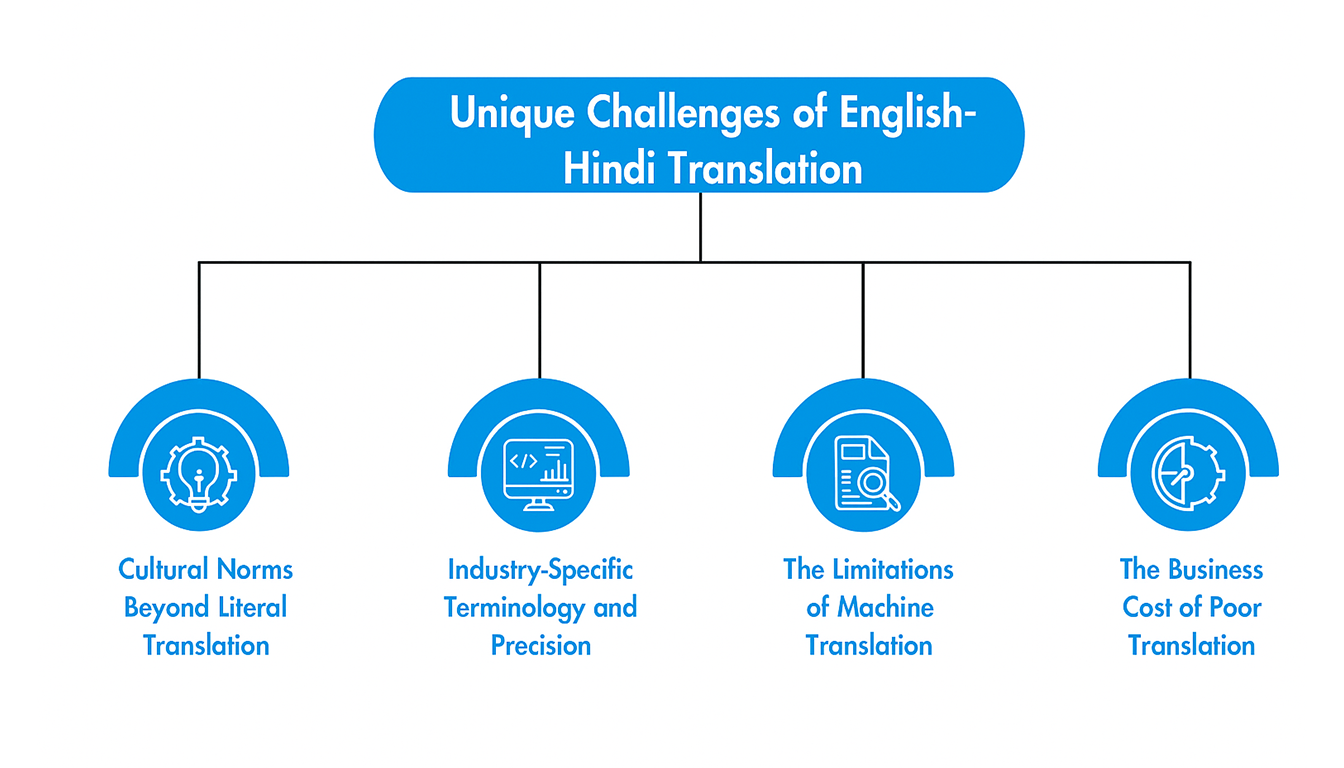
It's not only changing words when you translate. An ad that isn't translated well can sound strange, awkward, or even confused. If you do things mechanically, what works in English often loses its meaning in Hindi. Transcreation is the key. It keeps the meaning, tone, and emotion while changing to fit the culture. You should think of it this way: the goal is for the message to feel like it was written in Hindi from the start, not like it was translated later.
Indian language translation opens doors beyond Hindi
Hindi is a big element of the plot, but it's not the whole thing. Many people speak Tamil, Telugu, Bengali, Marathi, and Malayalam, but brands generally don't pay attention to them. A buddy who worked for a food business once told me that their advertising in Tamil made people excited to share them on WhatsApp just because the subtitles were in their language. These markets are not small. McKinsey notes that brands using regional languages in India can see revenue growth of 20 to 30 percent in those markets. It is a tangible advantage that English campaigns cannot match.
Storytelling That Feels Real
Numbers are useful, but connection comes from stories. A story told in someone’s own language resonates because it is familiar. It can reference culture, local festivals, or even daily life. For example, a D2C snack brand ran a Diwali campaign. The English version sounded nice, but the Hindi version mentioned traditional sweets, home celebrations, and little everyday rituals. People are linked up immediately.
This is why sharing stories in the local tongue is more than just marketing; it develops trust. When people see themselves in your messages, they remember your brand. They talk about it, share it, and come back. A brand that ignores this misses an opportunity to create loyal customers.
Real Examples
We have noticed some small brands get this right. One beauty brand, for instance, launched a campaign in Hindi during the festival season. Engagement doubled, and sales jumped by nearly a quarter in Hindi-speaking regions. Another brand created content in Tamil and Telugu, and suddenly markets that were previously slow started showing real traction. These outcomes are not just numbers, they are proof that people pay attention when you speak their language.
Even beyond D2C, local language content works for emails, app notifications, and customer support. Consumers feel more confident, understood, and likely to respond positively.
How Brands Can Start?
The good news is that adopting local language storytelling does not require a massive budget. The first step is knowing your audience. Which languages do they speak most? Where are they located? Once you know that, focus on high-quality translation, not just literal word-for-word conversion. Hire people who understand both marketing and culture.
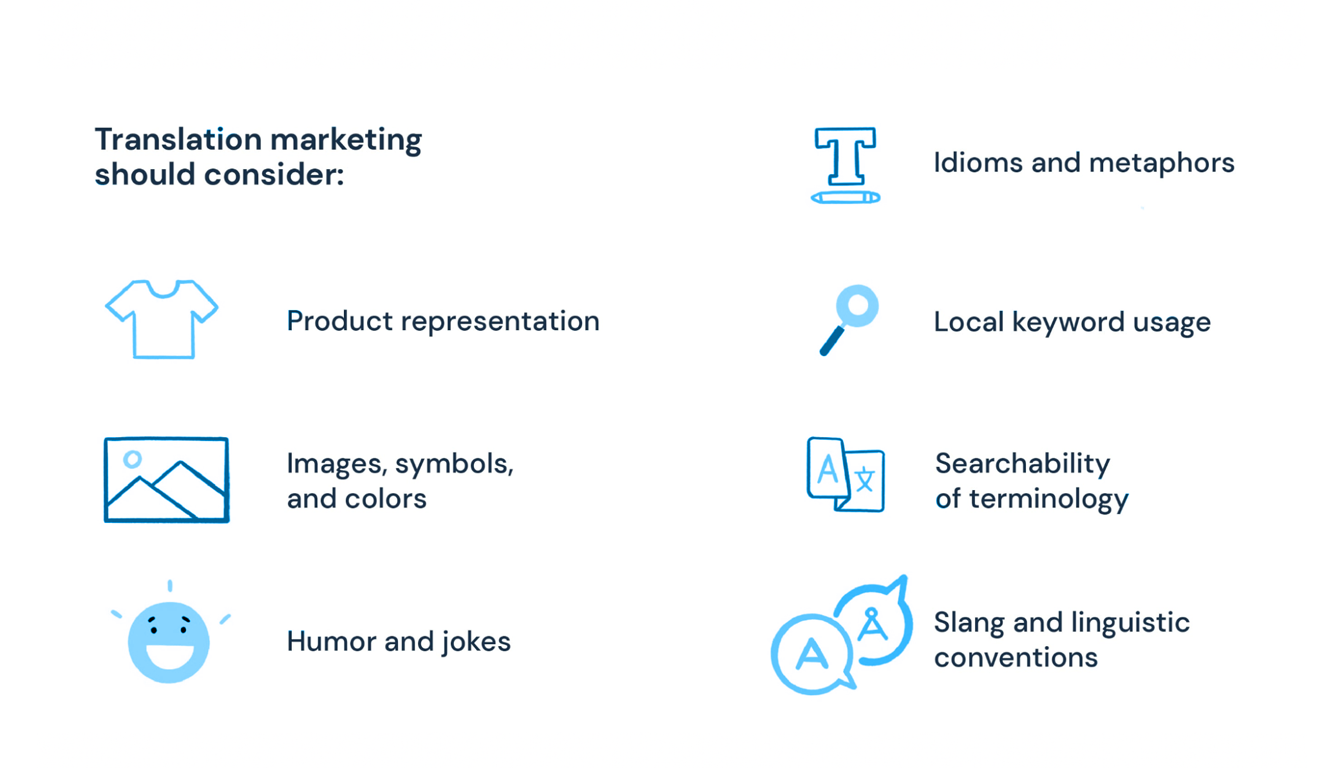
Next, integrate storytelling. Share your experiences, problems, or joys in a way that your audience can understand. Pay attention to what people say and don't be afraid to make changes. Your language strategy needs to change as your audience does.
Last but not least, don't just think about ads. Adding local languages can help you make your product descriptions, packaging, customer service, and social media better. If you do it well, it demonstrates that you're real and builds a better connection than merely speaking English.
Why It Matters More Than Ever
Attention spans are short. Choices are endless. In a market as competitive as India, the brands that stand out are those that make people feel understood. Speaking the local language is a simple step, but it is profoundly effective. Consumers remember brands that make them feel seen and respected. They are more likely to engage, share, and become loyal.
Ignoring local languages is not just missing an opportunity. It is giving your competitors an advantage. Brands that invest in English to Hindi translation and broader Indian language translation gain reach, credibility, and customer trust. They become more than a product, they become part of the community.
Conclusion
Language is more than simply words; it's how people talk to one other. When Indian D2C brands speak the same language as their customers, marketing becomes a conversation instead of a transaction. English will only take you so far. Hindi and other regional languages can help you understand, trust, and be loyal. When companies translate well and tell tales that people can relate to, they create memories that people will share. It's not enough to merely sell things; you also need to be a part of your customers' lives. Investing in storytelling in your own language is a method to make friends, gain trust, and evolve.