Across digital systems, something subtle has been moving. It's not always obvious, because the movement tends to happen in small pockets of the interface, places that don't appear in dashboards: a warning message, an old tooltip, a forgotten onboarding hint. These micro-layers reveal an emerging gap between modern product velocity and older translation workflows. That gap becomes more visible in multilingual markets where switching to Odia or another regional language isn't optional but expected. The tension isn't because translation is neglected; the architecture around translation has been changing faster than the translation layer can keep up.
The environment underlying all this has been influenced by AI acceleration. Not directly in the sense of language generation replacing translators, but because AI systems modify interaction models. McKinsey's 2023 AI study observed that around 40% of organizations planned to increase generative AI investment. A shift in operational direction tends to create ripple effects in overlooked areas, like translation. When workflows become more adaptive, every layer attached to them is pulled forward.
Language Expectations as Behavioral Signals
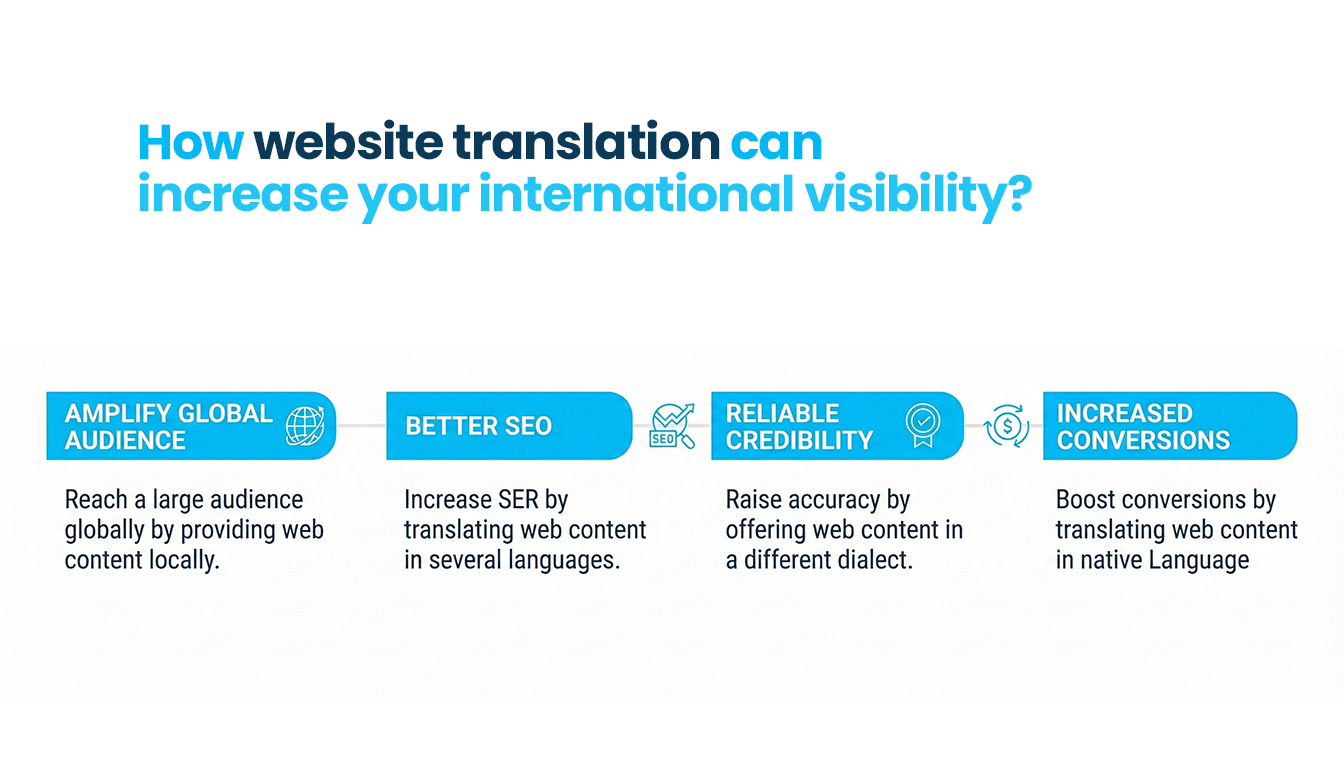
Language preference is rarely voiced explicitly by users. People do not usually write to support teams saying, "Odia version missing." Instead, they leave silently. Statista's dataset illustrates this behavioural pattern: over 75% of internet users prefer sites in their own language. But the absence of explicit feedback conceals the impact. Drop-offs happen quietly, producing an illusion of stability unless the site tracks multilingual adoption.
In contexts where English to Odia translation is fundamental for comfort and comprehension, this kind of silent churn shapes the user base in ways that are hard to measure. The user's departure doesn't appear, but the absence influences the product's reach. This invisibility creates strategic blind spots.
Digital Surfaces Changing Faster Than Translation Can Follow
Web interfaces today behave like adaptive surfaces. Components shift shape, layouts change based on experiments, form flows are rearranged for optimization. Gartner's Emerging Tech Impact Radar pointed toward this idea, AI-modulated design where adaptation becomes routine. In such environments, translation systems built for static websites fall behind. The framework of "translate once and ship" no longer matches current development behavior.
A component on a webpage can appear, disappear, or mutate based on factors such as geographic signals or personalization logic. Translation tied to page-level structures misses these changes. This is why older workflows break even when teams think they have translated "everything." A hidden form, a pop-up driven by an A/B test, a message triggered only by rare inputs, these create mismatched experiences because the translation system didn't detect them.
The Architecture Problem Behind Website Translation
A large part of the issue arises from the architecture itself. Translation isn't stored in one place. It exists across multiple systems:
- CMS pages
- UI component libraries
- Validation handlers
- Microservices
- API-driven instructions
- System messages
- Experimental variants
This distributed structure wasn't planned around multilingual consistency. It happened organically as products evolved. Teams often find that behavior or instructions that aren't translated are more important than text that is. The translation layer typically doesn't know when UI components are updated. This makes things confusing for those who speak more than one language.
This fragmentation is much more noticeable in regional languages like Odia, where users need clear terminology to feel sure about how to navigate flows. Even if the homepage is localized, inconsistencies deeper in journeys exert more influence over trust.
Why 2026 Becomes a Transition Point?
AI does not "replace translation"; AI compresses timelines. Website structures change more frequently because experimentation is cheaper. Interfaces act differently because models determine what to show. Translation must operate within this more volatile environment. The older paradigm of updating translated content every few weeks or months no longer aligns with how fast experiences change.
The technology surrounding translation, not translation itself, is pushing the shift. As interfaces evolve dynamically, the translation layer has to adapt dynamically as well. Static frameworks were built for stability, not adaptability.
Runtime Localization as a Structural Response
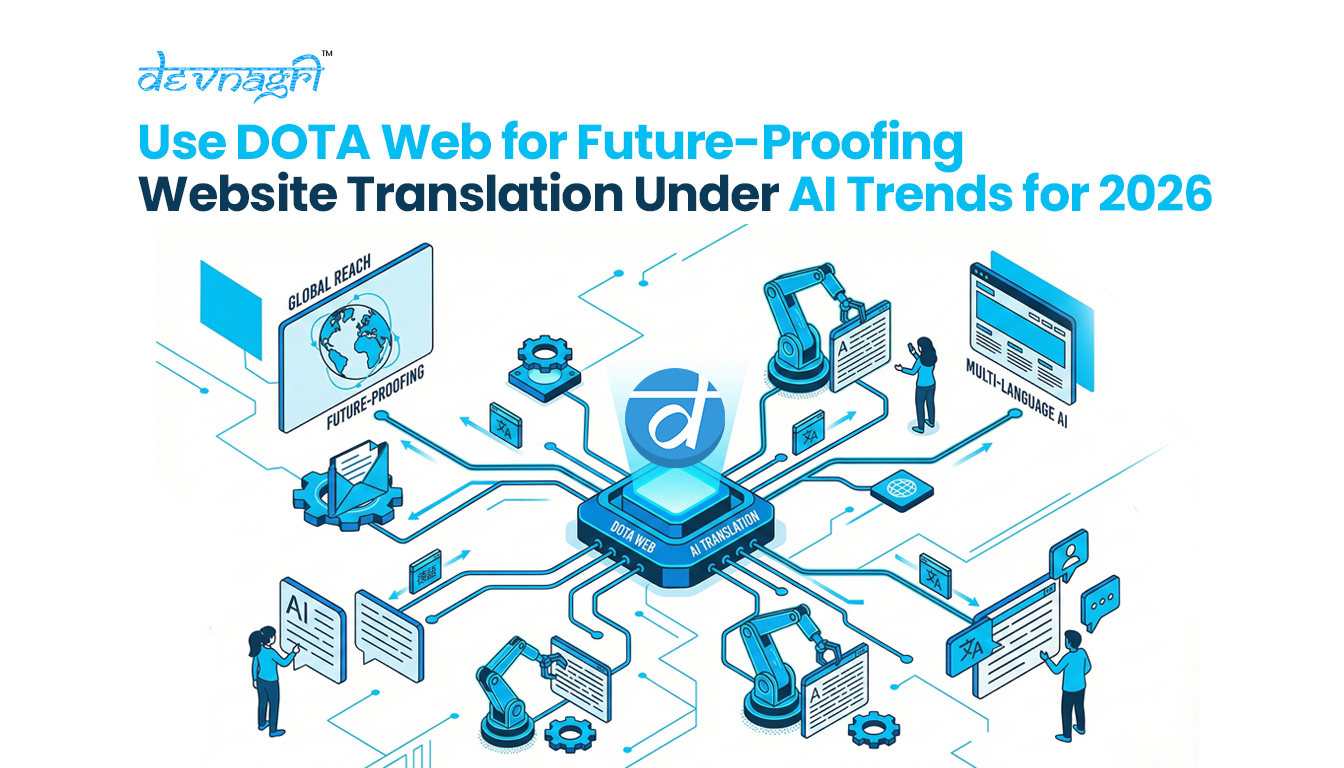
The rise of multilingual experience layers, like DOTA Web, reflects a structural response rather than a product trend. Instead of attaching translation to the page, such layers attach translation to interface behaviour. They translate components as they appear. They integrate with product architecture rather than content repositories.
This approach reduces friction for multilingual markets, especially for website translation involving languages like Odia. Experiences become easier to maintain because the layer maps to component updates, not content updates. It moves alongside the product rather than behind it.
Analytics built into such platforms provide additional visibility. Multilingual insight, tracking switch events, adoption of Odia vs English, drop-offs by language, enables teams to understand silent behaviour patterns. In markets where language preference affects participation, visibility is very important.
Notes on Observations Made Multiple Times Across Teams
There are a few things that are the same in a lot of different organizations:
- Additional UI parts add additional strings without letting translation teams know.
- CMS upgrades simply change the surface-level content; the underlying flows stay the same.
- When more than one team updates parts of the product, the consistency of the terms goes down.
- Regulated industries need accuracy that manual processes have trouble keeping up with as interfaces change quickly.
- Changes to the user interface happen all the time, although translations are usually done in groups.
- People often don't notice microcopy inside system logic at all.
These show that the structure is not in line, not that the procedure has failed. Translation pipelines made for stable websites can't be used with adaptive systems. AI amplification of UI changes makes the gap grow faster.
Multilingual Experience as a Layer of Trust
Language becomes a layer of trust in markets with more than one language. People who read Odia want to be clear from the start. If instructions, microcopy, or support flows are only partially in English, cognitive switching makes things harder. This tension slowly eats away at trust. It doesn't always show up as a big drop-off; sometimes it just makes people less ready to act.
Translation, when it matches the behavior of the components, keeps things moving. The consistency shows that it is reliable.
The Increasing Role of AI in Translation Consistency
AI's job is increasingly less about making things and more about keeping things in order. Translation models can discover patterns in context, make sure that terms are used the same way every time, and find mismatches faster. AI lets multilingual systems evolve as quickly as UI testing does. One of the most important things that future digital systems need to be able to do is work together.
Websites may modify the language they use more and more based on variables like how you act, what device you use, where you are, how your session flows, or what you liked in the past. This kind of multilingual involvement in context makes things easier because people can talk to each other without having to think about switching languages.
Toward Multilingual Synchronization That Never Stops
Translation will probably keep changing as products do in the future. Localization is now a part of the release instead of coming out after the main release. Multilingual layers must fit with the way developers operate, create tokens, and component libraries.
DOTA Web works on the idea of translation happening at the layer where components render, so it can adapt to changes in the interface without needing to be redone. For markets that need reliable English to Odia translation as part of core experience, the architecture aligns better with system behaviour.
Positioning Translation in 2026 Digital Strategy
The strategic implication is clear: multilingual systems must be treated as a structural element of digital infrastructure. Not as an afterthought or as content management. As websites become more adaptable with AI, translation has to take on additional tasks including consistency, synchrony, and contextual alignment. This doesn't mean that language quality isn't important. It just means that structural preparation is even more important.
Translation becomes one of the conditions for digital trust.
FAQs
1. What are the website trends for 2026?
Under website trends, components reorganize dynamically, creating environments where translation must operate at the component level rather than the page level. The design system becomes multilingual-aware, ensuring that translated Odia or other regional-language experiences align with interface behaviour, not just text content.
2. Which industries will AI reshape most?
Industries with regulated or trust-dependent journeys, finance, healthcare, governance, education, and consumer-service platforms, will experience significant transformation. These sectors need terminology consistency, multilingual accuracy, and rapid updates. AI-supported translation layers provide the pace alignment necessary for such environments.
3. What is the future of websites with AI?
Websites will likely behave as real-time multilingual surfaces. AI helps detect language preference, adjust interface components, and maintain consistency across dynamic flows. Translation becomes integrated into system behaviour instead of remaining static. Continuous synchronization replaces batch translation, making multilingual journeys more coherent and predictable.