In this highly digitalised world, a website is essentially the first face of any brand to a customer. A positive, engaging experience will, therefore, be furthered if that first impression can be made in the visitor’s language. It is an essential step toward reaching new audiences and thereby success for brands hoping to meet those new audiences internationally.
In this guide, we’ll be covering everything you need to know about website translation and how a Website Translation can make all the difference in your business.
Why Does Website Translation Matter?
Crossing boundaries of new markets requires more than the translation of words but also adapting your website to other people’s hearts.
The key advantages include:
1. Better User Experience:
A site that says something to users will make them spend more time on it. Content that is familiar and accessible boosts the users’ trust and interaction.
2. More Accessible Market:
With a website translator you can have any number of languages desired, those markets that were previously closed to you can now be opened. This is especially the case with English-speaking countries.
3. Improved SEO:
Localization of content will give a good rank in search engines all over the world. Writing for target languages and optimizing URLs in local languages improve the possibility of being discovered by international customers.
Key Considerations for Effective Website Translation
- Choosing Target Languages Choose the right languages. You must realize what languages are mostly found among your targeted users. For instance, some giant languages have an extensive spread like Hindi. But, as far as the industry-specific areas are concerned, it would be better to concentrate on the smaller regions.
- Cultural Localization The translation goes beyond words, including images, graphics, and typesetting variations that may vary with regional differences. Localization is the process that ensures your website looks and feels at home in each culture with increased interaction. The right website translation agency will have the ability to adapt translations and cultural realities.
- Quality Control in Translation Quality first. Linguistic and technical quality is ensured by passing through several rounds of review by qualified translators. Major agencies have a good quality control system, direct access to expert linguists, editors, and subject-matter specialists, etc.
- Technical Aspects Ensuring technical compatibility with your Content Management System (CMS) is important, especially in the management of multilingual content. Most CMS platforms like WordPress and Drupal also have plugins or modules for language management and website translation. Finally, responsive design and CDNs help keep the site speed around the world even when one is adding more languages.
Machine Translation vs. Human Translation
In translating a website, companies can choose to go for Machine Translation (MT), Human Translation, or a mix of both:
Machine Translation – Machine translation tools, like Google Translate, are very fast with text translation and very economical for big projects. However cultural nuances and accuracy for quality content might be missing in machine translation.
Human Translation – Quality translation by a human translator is guaranteed due to understanding and being sensitive towards context, tone, and cultural relevance. A human translation takes more time but results in a better and more refined product.
Hybrid Approach: Many companies discover that a hybrid approach is the best—in other words, using MT as an initial translation followed by human review. That speeds up the process while maintaining quality for website translators.
Choosing the Right Website Translation Agency
Choosing an ideal website translation agency can smoothen and facilitate the process to be easier and more efficient. Here’s what to look for:
1. Industry Expertise
Choose an agency that is experienced in your industry; they will have a more targeted understanding of the terminology and tone that your brand requires.
2. Seamlessness in Services
You want an agency that will translate more than just words. Identify an agency with services for cultural localization, SEO, testing, and even quality assurance.
3. Compatibility with Technology
Ensure the website translator agency can work within your CMS or technical framework. Some agencies may offer integrations or APIs, but this will depend on the other workflow requirements you might need to implement, such as updating content in multiple languages.
4. Transparent Pricing and Timelines
Cost and delivery schedules are important so that you can manage your project efficiently. Ask them about pricing models (per word, hourly, or by project) and timelines to avoid unknown costs and unexpected delays for website translators.
Implementation Steps for Website Translation
Here is the step-by-step translation process:
1. Project Planning:
Work with your team and translation partner to determine the scope, languages, and timeline for a website translator. Set goals and target audiences to guide localization efforts.
2. Integrate Website DOTA:
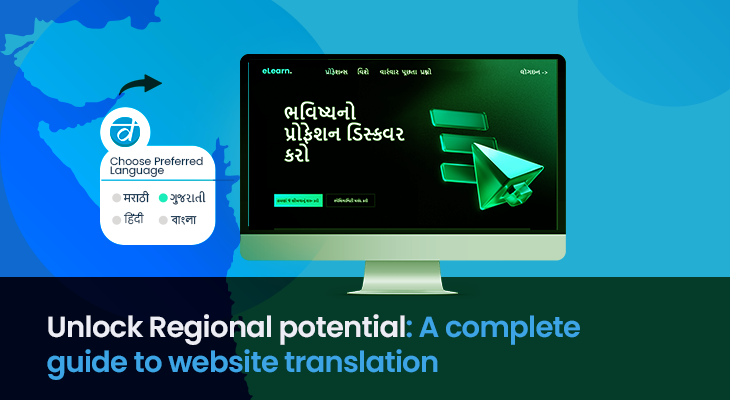
Devnagri AI introduces the DOTA (Devnagri on the air) web, which is a website translation API that translates websites in real time as the abbreviation says. It can translate the website immediately after integration.
3. Translation and Localization:
Professional website translators and localization professionals will make the text, images, and functional elements reflect the cultural tastes and needs of your target market.
4. Quality Assurance and Testing:
Test each language on your website before you launch to guarantee that formatting, links, as well as functionality, will translate across languages, without compromising in the translation.
5. Launch and Monitor:
Then you can monitor engagement on your translated site and edit it according to your analysis.
Common Issues in Website Translation
1. Brand Consistency
When working with multiple translators, it is vital to maintain a consistent tone and style of the brand. A better website translation agency can make it happen by providing a style guide and glossary of keywords.
2. Multilingual SEO
Search engine optimization strategies vary according to language and geographic location. Optimizing your translated content using localized keywords, metadata, and URL structure allows search engines to find you.
3. Cultural Sensitivity
In this case, regarding small misunderstandings, it can sometimes result in big problems. That is why you have to work with translators who are very aware of all these cultural differences. For example, different regions have different colors, symbols, and humor so understanding the culture will save one from many misunderstandings.
Successful Tips to Consider
There are some practical tips for you to consider during your website translator journey:
Start Small and Scale: Start with high-priority languages to test the waters, then gradually expand to more as you see engagement grow.
Optimize for Mobile: An increasing number of web users in developing countries access the internet via mobile phones only. So, focusing on providing mobile-friendly sites becomes essential.
Incorporation of Local Content: Feedback from local users guides the fine-tuning of localization efforts into a website.
Maintain the Translation Current: Update your translations as the content of your website changes. Very old translations would be misleading to your visitors.
Conclusion
Why Should You Opt for Devnagri?
While Translating Your Website in Indian Languages Translation of your website can be a powerful tool in reaching the world with your message and conveying it in several cultures. Hiring a renowned website translation agency would mean your website is providing an engaging and culturally relevant experience to users in the markets.
The specialized platform translates website content into 22 Indian languages, and it has become highly valuable in businesses targeting the Indian market. With an expert handling of Indian languages, such as a deep understanding of local culture, Devnagri can help your business effectively connect with India’s multilingual population.