Localization is adapting your product to meet various linguistic, cultural, and functional needs. In today's globally connected digital culture, businesses can no longer stop at having applications or product content in a single language. Users, even from different parts of the world, expected a product and service to have the required thing speaking their language-literally and culturally. And that's where localization comes in.
This offers a bit of technical and creative drama for developers. In this blog, we unravel nine major localization troubles faced by developers and how they can solve these issues, while also providing real-world examples from industries such as eLearning translation solutions, finance, and cross-country markets, including English to Odia translation.

1. Expansion-Contraction of Texts
During the translation process, there is a drastic variation in text length compared to the original text. For instance, "Log In" in English might take up much more space in the Odiya version. This creates layout issues, especially on mobile or responsive designs.
Solution: Dynamic, flexible layouts can accommodate text expansion. CSS relative units and auto-layout tools in design software can help. There must be an earlier test of the UI with real translations early in the process for developers who work on projects targeting regional audiences, like apps that offer English to Odia translation.
2. Font and Script Compatibility.
Fonts don't support all languages or even scripts. Indian language translations, such as Odia, have unique ligatures and characters that can appear broken or unreadable if you use a font that doesn't support them.
Solution: Choose a Unicode-compliant font that has full script support. Fonts like Noto Sans Odia or Lohit Odia are good options to consider when working with projects like English to Odia translation. It's always prudent to test how fonts render on different browsers and devices to avoid display issues.
3. Date, Time, and Number Format
Each region has its conventions regarding how dates, times, and amounts in currencies are represented. For example, 01/05/2025 could refer to May 1st in one country and January 5th in another. This is especially sensitive in industries like banking and finance.
Solution: Localization libraries such as Moment.js or the built-in Intl API would be appropriate handles to address these differences. Correctly formatting the amount and date of transactions for banking and finance applications builds user trust and ensures regulatory compliance.
4. Managing Dynamic and User-Generated Content
Media channels often respect user-generated content and live updates that are not pre-translated. This can be exceedingly challenging for publishing media, where content must be available instantly for a multilingual audience.
Solution: Go for a real-time translation management system that features API integration. This allows the smooth management of dynamic content while keeping localization seamless. For example, a media publishing platform that targets regional markets can provide real-time English to Odia translation for breaking news, thus keeping the audience wrapped in their native language.
5. Sensitivity With Culture and Context
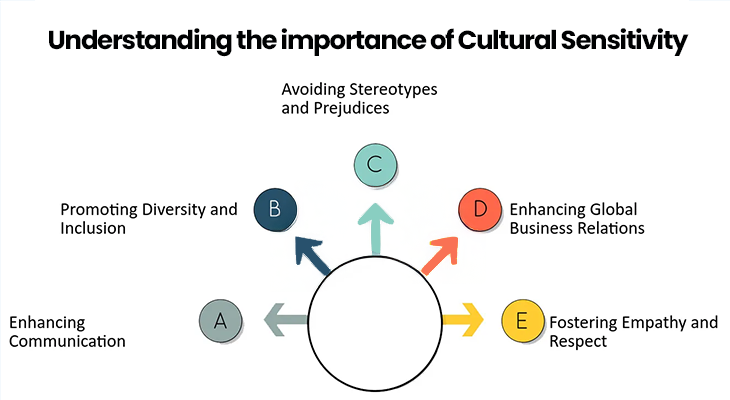
Localization is not simply language. It is culture. Colors, symbols, images, and even humor can mean different things in different cultures. When it comes to e-learning applications, inappropriate cultural references can alienate learners.
Solution: Engage local linguists and cultural experts in content adaptation to ensure it is contextually relevant. While avoiding idioms or cultural references that won't translate, e-learning platforms, especially, need culturally relevant examples to sustain students' interest and understanding.
6. Inconsistent Terminology in Specializations
The banking and finance industries should use precise and standardized terminology. Otherwise, an inconsistent translation of financial terms may cause customer confusion or even lead to legal entanglements.
Solution: Make a glossary of approved terms and ensure consistent use of these terms in the translation of all content. This minimizes the risk of misinterpretation in legal documents, contracts, and app interfaces by consistently applying banking and finance translation solutions.
7. Integration with Localization Tools
Localization in many development pipelines is not optimized. Without good integration of translation workflows, developers often experience delays and errors during multilingual deployments.
Solution: Use translation management systems with strong APIs and plug-ins to connect with your code repository and content management system. Continuous localization tools will keep everything up to date automatically, whether you're dealing with a finance app, an e-learning portal, or a media publishing solution.
8. Testing in Multiple Languages and Regions
Localized applications often encounter functional and visual problems, such as broken layouts, cut-off text, or untranslated strings, when released for different languages.
Solution: Build an internationalization (i18n) testing environment and introduce pseudo-localization — a technique whereby testing substitutes text strings with exaggerated characters — to find layout problems even before real translation happens. Important for languages like Odia that stimulate complex scripts.
9. Complex and Right-to-Left Scripts into Account
In the globalized world today, languages with complex writing systems, such as Arabic, Urdu, or Odia, present added technical difficulties for developers. Though one might argue that Odia has a left-to-right writing direction, the entire process requires specialized handling.
Solution: Design the app with bidirectional and multilingual functionality in mind from the start, using complex typography-supported frameworks and libraries. Apply early testing with real translations, keeping in mind the geographic area of intended users, such as India and Odia.
In localization, every industry matters:
Conclusion
Localization is not just a technical activity. It is a strategic necessity for organizations that intend to prosper in regional, national, and international markets. Whether you're building e-learning platforms, financial apps, media publishing solutions, or tools, localization will save time, money, and customer dissatisfaction in the long run.
Localization will save time, money, and customer dissatisfaction in the long run when localized issues are addressed upfront. Product design with localization built in, the selection of tools, and engagement with native language experts will ensure that the product feels natural and familiar at every point of contact.