From the rise of generative AI, demand for B2B localization and machine translation landscape extends far beyond conversions. However, the world of localization is not limited here, and it has become a strategic imperative for businesses.
Yet, language AI and Machine Translation API deliver impressive prompt-based results. Still, the top large language models (LLMs) in the market face challenges with dialects and nuances in regional languages. Localization is the fundamental unit of perfection in customer communication, and it comes from training language models powered by AI. It can help establish any business in a particular area or region.
This blog discusses the trends and offers a practical approach for smoother market penetration and building stronger connections with diverse audience segments
Let's look at the Top 7 trends now
Explore the decade’s significant insights into the translation industry. Moreover, we know how multilingual personalization reshapes customer engagement. These seven trends seed the foundation for localizing and personalizing customer experiences, especially for B2C and B2B organizations.
Rapid Adoption of Machine Translation API
Tools like generative AI and machine Translation APIs are invaluable in achieving tasks like Quick translation. But, businesses are increasingly adopting a hybrid approach that combines the faster and more accurate approach. The generated translation is a more rapid approach, but human touch remains crucial to maintaining accuracy and nuances. AI-powered translation trained by humans eliminates errors and incorporates effective localization. Future-oriented companies are investing in solutions that blend automated translation and professional editing for faster, uncompromised content quality.
This trend has created a demand for good tools that match human accuracy. The market is responding to this need, with tech companies developing sophisticated “brand brains” – AI systems trained specifically on niche-specific jargon and tone of voice.
Growth of Transcreation and Interpretation
Beyond the basic translation process, transcreation has been a game-changing approach to translating content. Unlike translation, transcreation recreates content from one language to resonate with local audiences. Transcreation preserves the original message’s intent and emotional impact. It involves a commanding writing style, and intent often takes entirely different forms. This approach is crucial when selling products or services to foreign customers. The demand for transcreation increases as it helps marketing campaigns maintain their effectiveness across different cultural contexts.
The Integration of Multimodal Understanding Modern interpretation systems handle multiple input formats – voice, text, and images – seamlessly converting them into the desired languages. This multimodal approach is particularly valuable for:
- Customer support interactions
- Product Documentation
- User-generated content management
- Real-time communication channels

Surged Demand in B2B Localization
Statista states, “The language services industry is expected to reach a value of approximately 65.5 billion U.S. dollars by 2026″.
In 2024, B2B and B2C companies strive to boost customer experience, which plays the most prominent role in customer retention and loyalty. Brands across the globe need to adapt the business models and marketing appeals of other companies worldwide.
Customization includes key elements like demographic language and cultural intricacies. The need for heavily trained AI models again comes into the spotlight, specifically when businesses need machine translation APIs for industry-specific locations where the audience resides.
Increased Demand for Machine Translation by Small Businesses
The demand for language services has significantly expanded beyond large corporations. Small and medium-sized businesses and startups have sought translation and localization services in this decade. Even government organizations, whether local or state, recognize the growing importance of effective language-specific communication across regions.
India Today mentions that countries like Indonesia (with around 711 different languages), Nigeria (with 517 languages), India (with 456 languages), and the United States (with 328 languages) possess specific language diversity.
As a result, the language and localization industry is also in demand by a significant category of smaller institutions. Multilingual audiences effectively cause the surge in demand.
Audio and Video Translation Entailing Leaps and Bounds
Audio content has gained popularity across regions. Untranslated audio and video content represents a significant missed opportunity for brands seeking international growth. While content creation costs remain constant, strategic translation and localization can multiply your audience reach and ROI across markets.
The same goes for the video industry. From traditional radio to streaming platforms, translation needs are growing proportionally. Now, users stream their favorite content on the Over-the-Top platforms. The enormous content distribution demand for subtitling and dubbing has become more popular.
Leading brands capitalize on this trend through strategic video content localization for increased market penetration, more substantial brand recognition, and improved customer engagement across international markets.
According to Mordor Intelligence, “As of 2024, YouTube witnesses a staggering upload of approximately 300 hours of video content every minute. The platform boasts around 5 billion daily video views, catering to its global user base”.
This massive scale presents both a challenge and an opportunity for brands. While competition for attention is fierce, localized video content consistently outperforms assets in engagement metrics.
Language Diversity
According to UNESCO, “about 97% of the world’s people speak about 4% of the world’s languages. Conversely, about 96% of the world’s languages are spoken by about 3%”.
Because of their complexity, companies invest heavily in translation solutions to create marketing materials like websites. They also prefer customer support in multiple languages, ensuring their businesses stay stable in the growing trend of language diversity.
Increased Importance of Multilingual Customer Support
Customers want products and services from businesses dealing in their language. The process is very normal, where a customer feels more understood, and the brand appears trustworthy when it understands that particular language.

Mordor Intelligence states, “70% of YouTube’s audience is international, primarily non-English speaking users”.
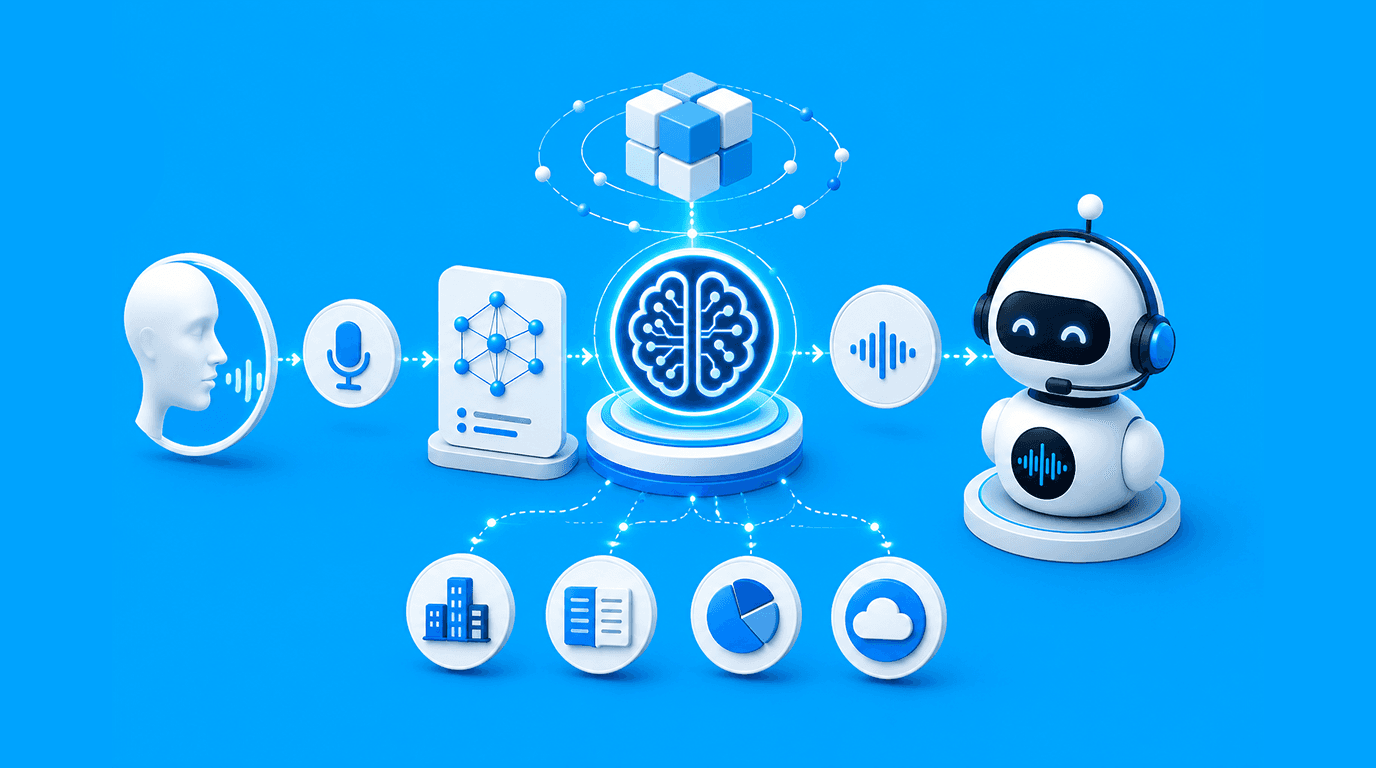
Multilingual customer support expands the reach of product and service providers, allowing companies to communicate with people from various backgrounds. The Multilingual Conversational AI Bot empowers businesses to communicate with customers in their language.
Growing Internet Consumption
Visibly, pandemic impacts have significantly shown the rising demand for remote communication and the availability of online content. It led to a surge in the localization and translation industry. The shift to remote work allowed companies to pick out the best resources from multiple locations, whichever suits their role and skill set, even if they are offshore. Activities such as live interpretation and subtitling for webinars and meetings. Companies are opting for cross-cultural adoption and collaboration with success in remote work setups.
Other factors contributing to the increased demand for language translation are the rise of online education and training platforms like Udemy, edX, Coursera, etc. Over-the-top platforms have mainly boosted the internet trade for language-based content due to the dramatic increase in online activity on platforms like Netflix, YouTube, and Amazon Prime for entertainment content. Generative AI addresses all demands, empowering multilingual Translation APIs and voice bots to accommodate diverse audiences.
What Do All These Localization Trends Mean for Businesses?
One concern that arises from AI is accuracy and sentimental parallelism. AI-generated content cannot capture the nuances, which is the problem that LLMs like ChatGPT, Google Gemini, and Meta AI have faced. Translation needs an understanding of the elements that come from each language’s grammatical rules, semantics, syntax, and cultural influences.
Technavio states, “The language services market size is estimated to grow by USD 24.21 billion at a CAGR of 7.1% between 2023 and 2028″.
According to Mordor Intelligence, “The translation market in North America is the largest worldwide. It will expand, and the increasing diversity of its population will fuel it. North America is estimated to contribute 32% to the growth of the global market during the forecast period”.
As the population migrates from one place to another, the need for effective localization and personalization solutions increases. Therefore, the need for highly trained AI models is also growing as they can boost the scalability across different languages in real time.
Key Takeaways
The goal of localization is always evident. The complexity of customer engagement grows exponentially. Many developments, such as LLMs and NLP, have generated artificial intelligence and machine translation. Still, these developments need improvement.
Devnagri’s enterprise-grade solutions, including our AI-powered Multilingual Conversational AI Bot, deliver this balance through a unique combination of advanced machine learning and expert human oversight. Our technology ensures linguistic accuracy and authentic cultural resonance across markets.
Localization trends will change and improve as you navigate the decade, but this industry is a glue for globalization and connectivity. Choose something with AI features and human accuracy. Check out the advanced tech-inspired bot trained by humans and powered by AI.