India is not one market. It is many. Picture a train ride from Delhi to Chennai. In one journey, you pass through entirely different worlds, each with its rhythm, its flavor, and yes, its language. That is the India you are doing business in. With over 1.4 billion people and a depth of linguistic diversity you will not find anywhere else, India is a mosaic of voices. For business leaders eyeing expansion, this is not a hurdle.
This is your best chance. The most important thing is to communicate with people in their native language. There is more to Indian languages than just words. They hold identity, feelings, and trust. Understanding the most popular languages in India can help your brand form a deeper connection.
Getting to Know India’s Language Landscape
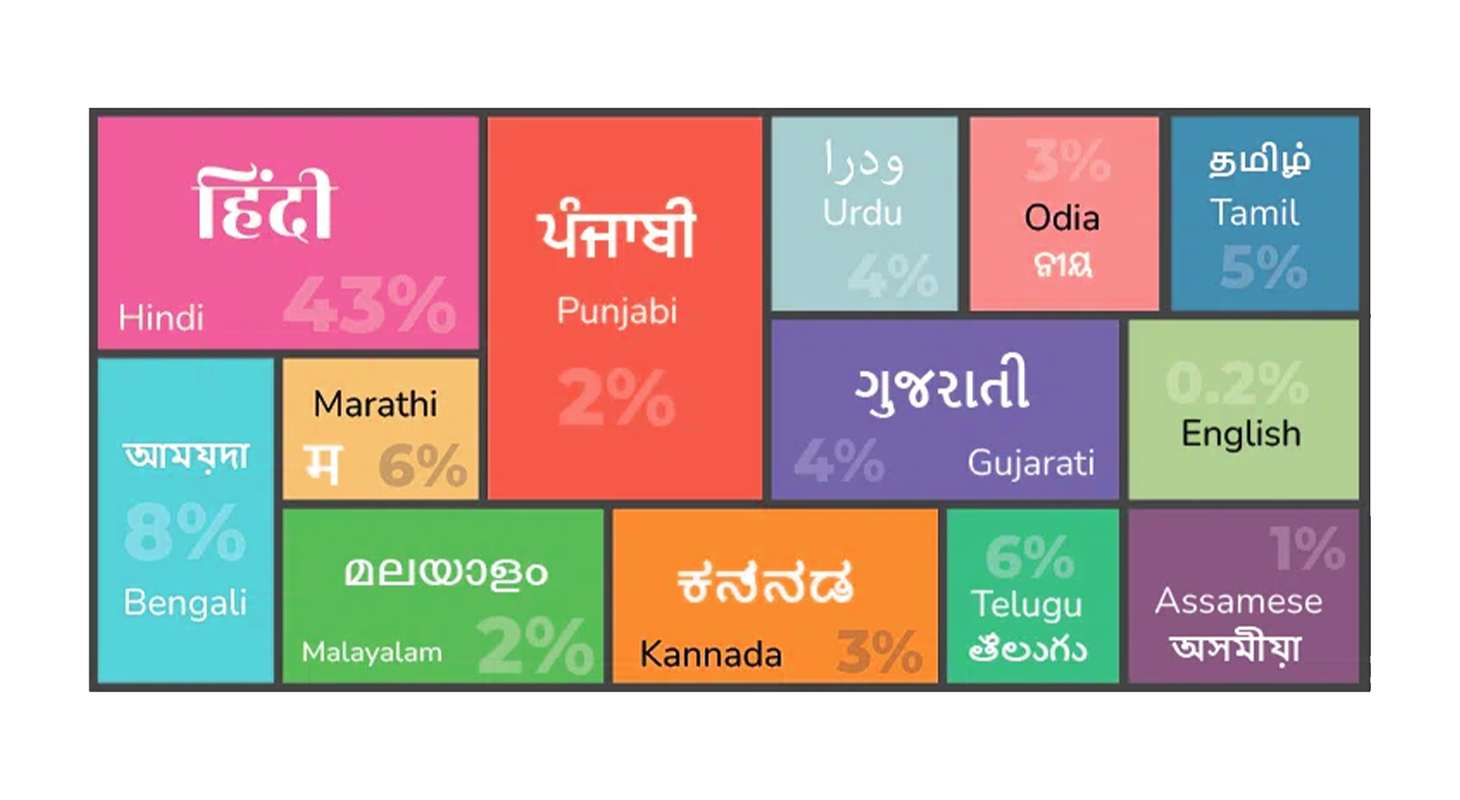
The language map of India is similar to its culture. It has many layers, is hard to understand, and is constantly changing. The Census of India 2011 says that the government officially recognizes 121 languages. In everyday life, more than 19,500 dialects are spoken. There are 22 of those that are official. 43.63 percent of people in India speak Hindi as their first language, making it the most spoken language in the country.
- That’s just the surface information, though.
- Hindi is the most spoken language in India, with 43.63% of people saying it is their first language.
- Bengali, Marathi, Telugu, and Tamil are the most common languages spoken.
- For instance, Marathi is the most common language in Maharashtra, and Tamil is the most common language in Tamil Nadu.
- Statista (2023) reports that 69.2% of people in India utilize the internet. This highlights the importance of having digital marketing materials available in local languages.
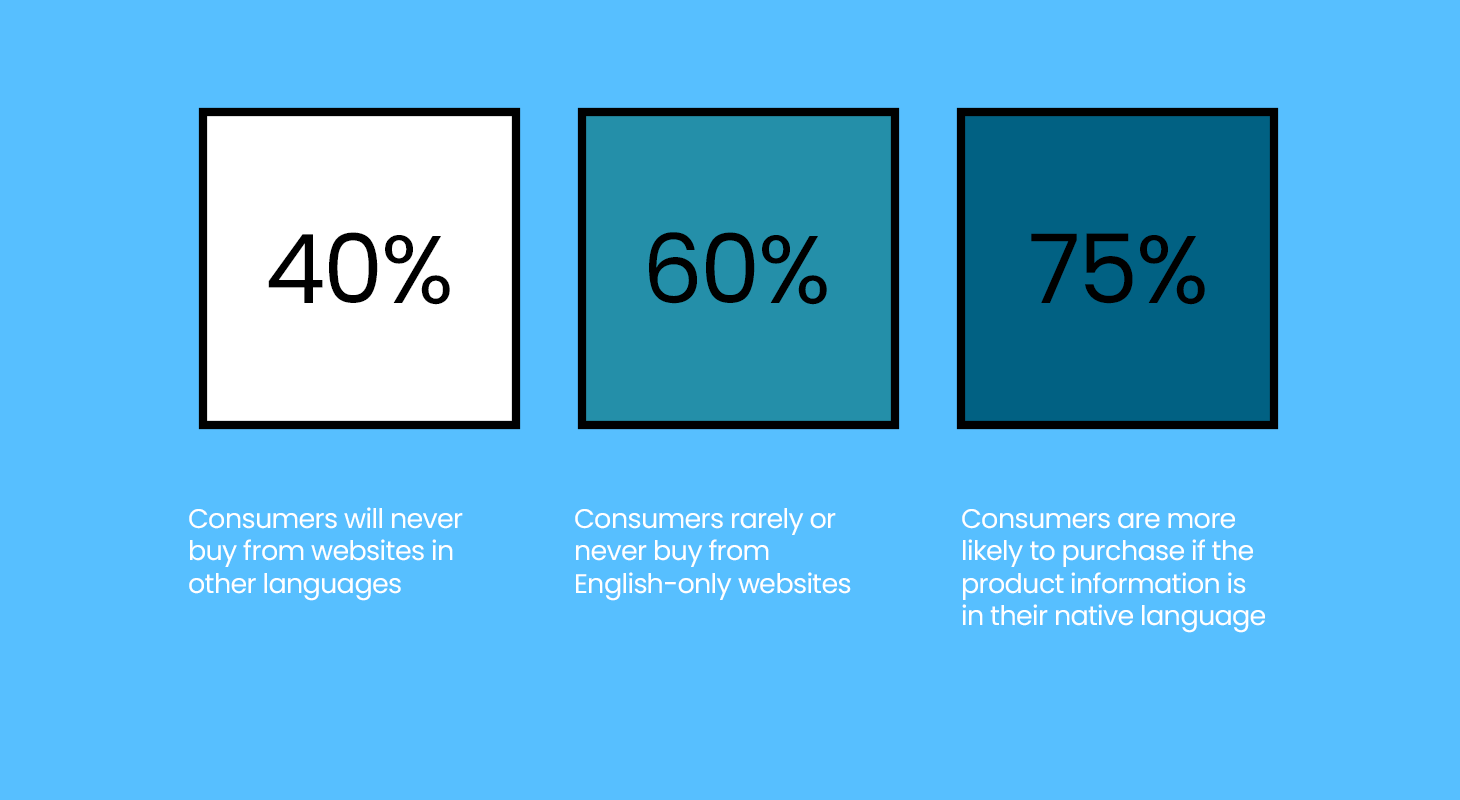
Let us zoom out. According to Statista (source), around 69 percent of Indians had internet access in 2023. What does this mean for business? It means millions are now online, and they prefer to browse, shop, and engage in their native tongue. This surge is not limited to metro cities. It is echoing in smaller towns and rural districts. In short, if you are not localizing, you are invisible.
The Top 10 Most Spoken Languages
Hindi
Let us start with Hindi. Over 528 million people speak it natively. It dominates northern states like Uttar Pradesh, Bihar, Madhya Pradesh, and Rajasthan. Written in Devnagri, Hindi is deeply embedded in government, entertainment, and mass media. If you want national reach, this is where your foundation begins.
Bengali
Then you have Bengali. With 97 million native speakers, mainly in West Bengal and Tripura, Bengali carries literary depth and emotional warmth. This is not a language where generic translation works. If you are serious about engagement, you have to speak Bengali the way locals feel it.
Marathi
With 83 million speakers, Marathi is the language of Maharashtra. English may rule the boardroom in cities like Mumbai and Pune, but Marathi rules hearts and elections. Brands that don’t perform English to Marathi Translation could lose credibility before they even start.
Telugu
Telugu comes next. Around 81 million people speak Telugu in Andhra Pradesh and Telangana. It thrives in cities like Hyderabad, where global aspiration meets local pride. People may notice your English advertisements, but Telugu is what keeps people coming back.
Tamil
People don’t merely speak Tamil. People live it. About 78 million people speak it, mostly in Tamil Nadu. Tamil is one of the oldest languages still spoken today, and it has a lot of culture. You have to be careful when you market here. An ad copy that has been translated isn’t enough. You need to be culturally aware from the start.
Gujarati
Gujarati, which has about 55 million people, is the language of business in western India. Gujarat is a powerhouse in several fields, from textiles to finance. In retail, manufacturing, and logistics, a brand that knows how to speak Gujarati is already ahead of the game.
Urdu
Urdu adds poetic beauty to the mix. Urdu is spoken by over 50 million people across Uttar Pradesh, Telangana, Jammu & Kashmir, and parts of Delhi. It works great for fashion, media, and stories. Brands that use it wisely often have a bigger impact.
Kannada
Kannada is the backbone of Karnataka. While Bengaluru might buzz in English thanks to its tech scene, step out of the urban core, and you will find nearly 44 million Kannada speakers shaping everyday commerce. Ignoring this language is ignoring your user base.
Odia
Odisha is home to 38 million native speakers of Odia. It is a language of progress because the state is getting better in areas like education, agriculture, and infrastructure. If you want to get into this market, it is not only wise to learn English to Odia Translation. It is also polite. (source).
Malayalam
Last but not least, Malayalam. Spoken by around 35 million in Kerala, a highly literate state where consumers are sharp and vocal. Missteps here do not go unnoticed. Whether it is in healthcare, tourism, or tech, quality Malayalam localization earns trust.
Regional Business Implications
Run one campaign across India, and here is what usually happens: great results in some areas, silence in others.
In Maharashtra, failing to localize into Marathi can feel like showing up to a family dinner uninvited. If you don’t offer services in Odia in Odisha, you won’t be able to reach as many people. People may know English or Hindi, but they connect better with a message that sounds like home.
This goes beyond ads. Think customer service chatbots, mobile notifications, and FAQs. Speaking in a user’s first language increases satisfaction, reduces friction, and shows commitment. And that is what builds brand equity.
Digital Transformation and Translation Needs
As India’s digital leap is catching pace. With rising smartphone penetration and data affordability, users expect their apps, portals, and platforms to speak their language from the start.
Enter the machine translation API. For brands managing vast content, from product descriptions to user reviews, these APIs are a game-changer. They handle bulk translation fast, which is crucial for time-sensitive campaigns.
But speed has its limits. Accuracy, tone, and cultural nuance still require the human touch. That is where a website translation agency adds serious value. Agencies like Devnagri blend machine speed with editorial sharpness. No matter what language you speak, your brand voice stays the same.
Suggestions for Businesses in the Long Term
So, what should business executives do about India’s many languages?
First, map your market. India is not one country. It is a continent of regions. Use analytics to identify language clusters that matter to your product.
Next, deploy a machine translation API for high-volume content that needs speed. Then, for customer-facing assets, like landing pages, UX elements, and brand videos, bring in professionals. A website translation agency ensures nothing gets lost in translation.
Finally, measure what works. Track performance regionally. A spike in engagement in a Tamil-language campaign? Scale it. High bounce rates on non-localized pages? You know what to fix.
Language is no longer a backend task. It is a front-line business driver.
Conclusion
If you are still thinking of India as a single-language market, you are already behind. Hindi is the most spoken language in India, yet it’s just one part of a much bigger story.
To connect, you have to talk in the right way, at the right time, and in the right place. There are many ways to take advantage of this, such as English to Odia Translation, using a machine translation API to scale content, or working with a website translation agency to provide personalized messages.
We help you get the most out of it at Devnagri. We make language a bridge instead of a barrier, connecting your brand with the numerous voices of India.
Ready to go multilingual? We are ready when you are.