Let’s be honest — you can’t scale in India without local languages. If your product, be it a fintech app, legal portal, or government service, is still English-only, you’re alienating the majority of your potential users.
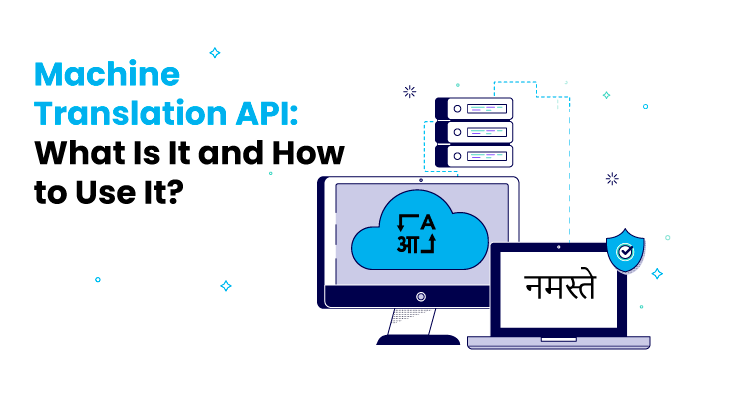
And this isn’t just an exaggerated industry scare line. That’s where Machine Translation APIs come into play.
They let your systems, apps, websites, and customer service tools automatically turn English content into regional languages like Odia, Marathi, Bengali, and more — with zero manual effort. No translation teams. No long delivery cycles. Just real-time, automated localization.
The numbers back it up — over 88% of India’s new internet users prefer content in their local language. For Odisha alone, that means tens of millions who’d rather read in Odia than English.
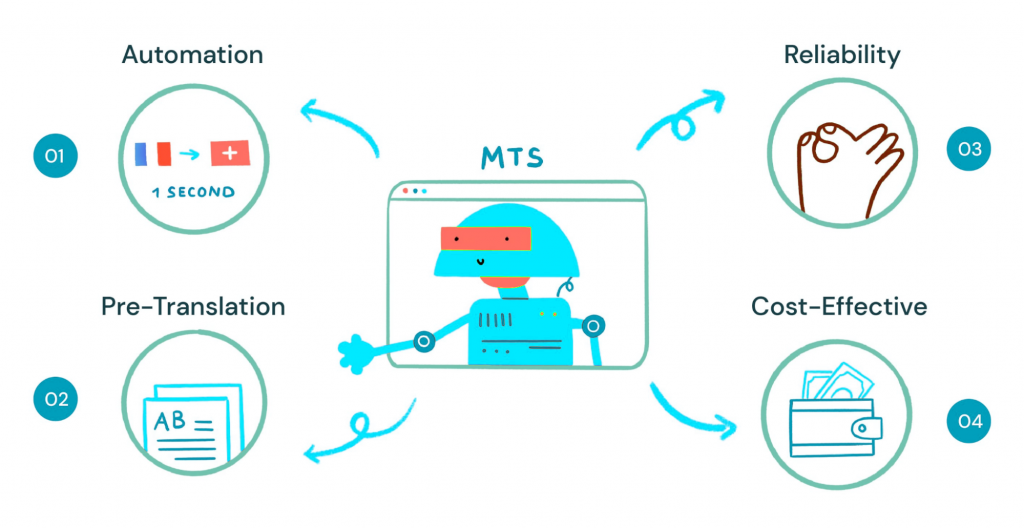
In this blog, we’ll break down how these APIs work, what makes English to Odia translation uniquely challenging, and why leaders in fintech, government, legal, and eCommerce are leaning into this tech.
First, What Exactly Is a Machine Translation API?
Picture this: You have a web form or app in English. You send text like “Enter your Aadhaar Number” to the API. A second later, it returns “ଆପଣଙ୍କର ଆଧାର ସଂଖ୍ୟା ପ୍ରବେଶ କରନ୍ତୁ.”
It’s a plug-and-play interface that takes English content and gives you Odia (or any other Indian language) in return. Behind the scenes, machine learning models — mostly Neural Machine Translation (NMT) — handle grammar, tone, and context.
It’s fast — translations happen in milliseconds, enabling deployment across:
- Real-time customer chats
- Legal form builders
- Onboarding flows in banking apps
- Search engines
- Voice assistants (with extra setup)
What About Transliteration?
Translation changes meaning. “Home Loan” → “ଗୃହ ଋଣ”.
Transliteration preserves sound. “Loan” → “ଲୋନ୍”.
That difference matters — e.g., keeping “Sharma” phonetically accurate across scripts. Machine Transliteration APIs are used for names, brand terms, and search.
The Landscape: Indian Language Translation
India has 22 official languages and 120+ major dialects. 60% of people won’t buy from or trust a brand that doesn’t speak their language (CSA Research, 2024).
Yet, most digital platforms still prioritize English or Hindi — a mistake. For example, over 40 million speak Odia as their first language, but low digital adoption is due to lack of Odia interfaces.
Use Cases:
- Fintech — Localizing KYC instructions, EMI calculators
- Government — Service portals and schemes in regional tongues
- Legal Tech — Translating affidavits, rights info
- ECommerce — Product descriptions, refund policies, SMS alerts
What Using a Machine Translation API Looks Like
1. Document Translation at Scale
Pair document parsers (OCR, JSON extractors) with APIs to auto-detect, translate, and return formatted outputs.
2. Government Portals
Automate updates in Odia, Marathi, Telugu, Kannada without manual bottlenecks.
3. Healthcare
APIs power booking confirmations, in-app instructions, and multilingual discharge summaries.
4. CRMs & Chatbots
Enable users to write in Odia, auto-translating for agents and back to Odia in replies.
5. eCommerce
Localize SKUs, offers, banners, and post-purchase messages.
Tools in the Ecosystem
Machine Translation API — Real-time dynamic translation.
Machine Transliteration API — Script conversion without meaning change.
Document Translation API — PDF/DOC translations preserving layout.
DOTA App — Translate Android apps into 20+ Indian languages.
DOTA Web — Add multilingual support to websites without front-end changes.
Final Word: Don’t Wait for a Mandate
Language inclusion is becoming part of business resilience. Machine Translation APIs let you meet customers in their own language — proactively.
Don’t wait for regulation — language is now a business strategy. Make it work for you.