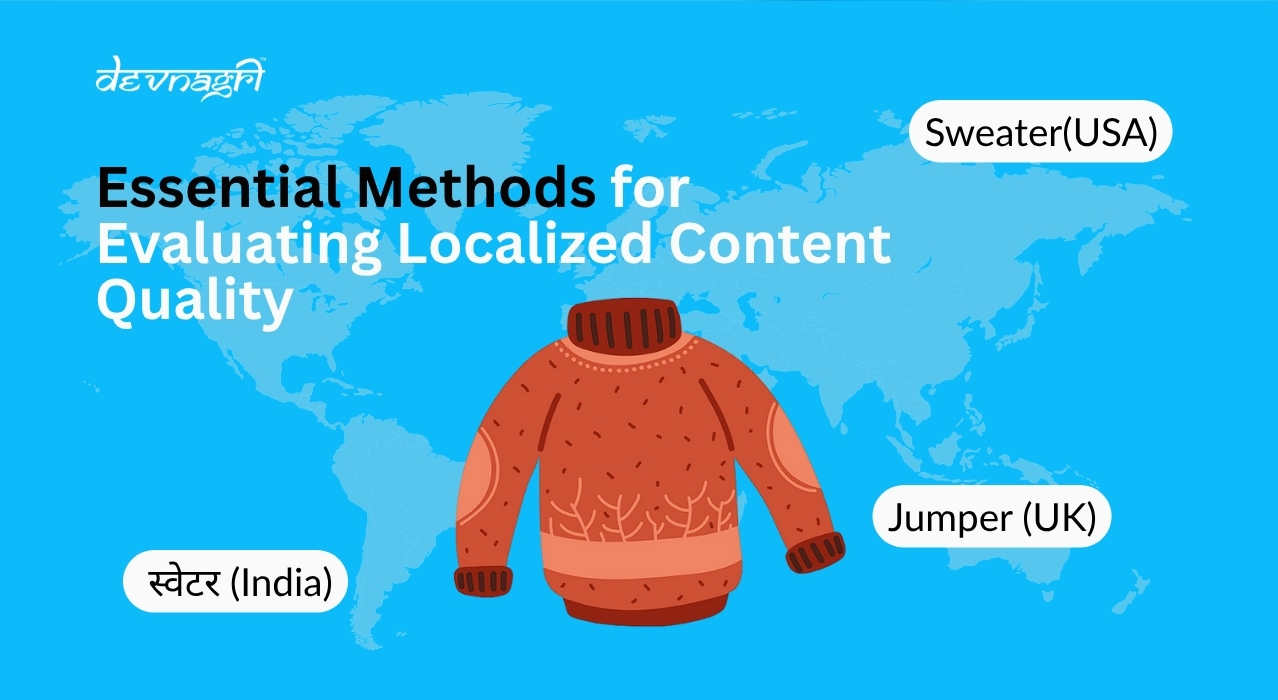
Localization has evolved from a perk to a strategic growth tool. When businesses expand into new regions, they typically find that customers are more likely to interact with content that feels native. Most people who purchase online prefer to buy from sites or other platforms that are in their language. This preference is especially important in a country like India, where language differences have a big impact on how people use the internet.
But localization isn't just about changing the language. The quality of localized content is what makes a business truly successful. Quality assurance must always be a top priority, whether businesses are spending money on Indian languages like English to Marathi translation or getting ready to launch a product around the world in several languages. A poorly translated interface might turn consumers off and hurt how people see your business.
This article gives a whole framework for judging how good localized website content is. It was made for business leaders, marketing heads, and digital transformation experts who want to make sure that translations across digital platforms are always correct, culturally appropriate, and technically sound.
Foundation Assessment Methods
Localization quality begins at the intersection of language, culture, and functionality. Each element demands its own evaluation process.
Linguistic Accuracy Evaluation Techniques
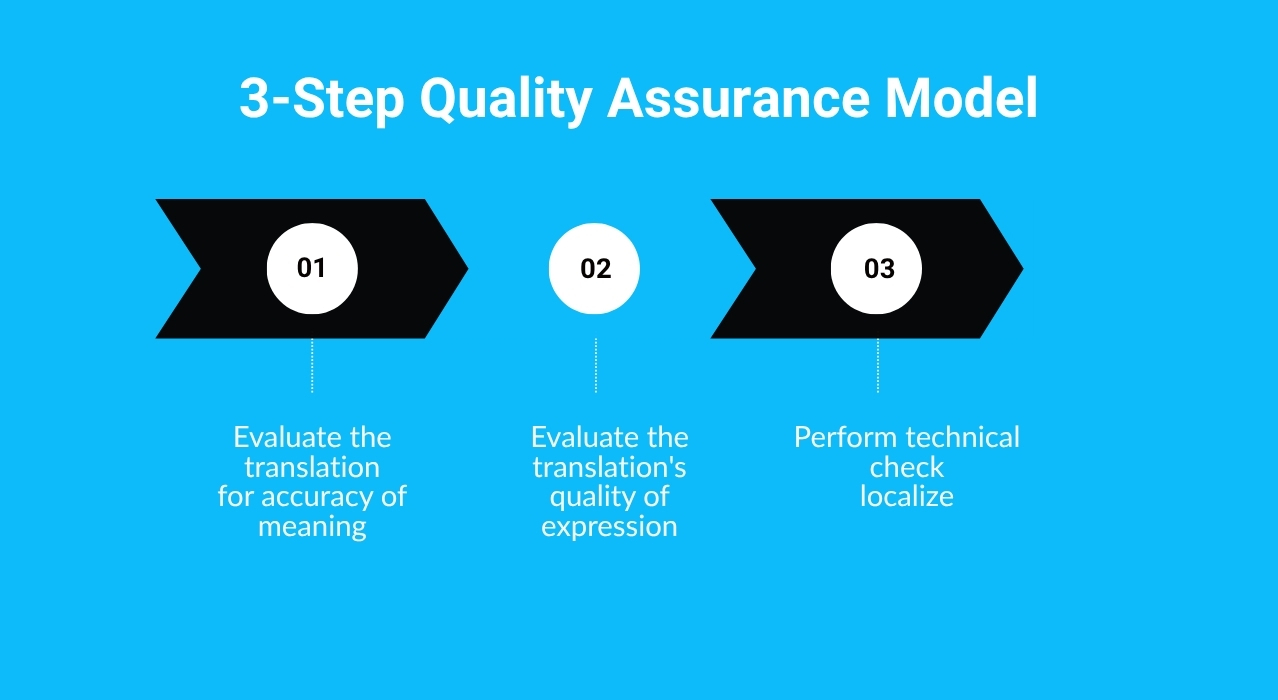
Linguistic accuracy is not simply about correct grammar. It extends into terminology alignment, syntactic flow, and message intent. Industry experts often rely on evaluation models such as the Multidimensional Quality Metrics (MQM) framework. It allows reviewers to classify errors like mistranslations, style mismatches, omissions, and inappropriate terminology usage.
In practice, teams that translate Bengali or English to Marathi need to make sure that the words and phrases they use signify what they say. For example, the word "credit" could mean different things in banking and in schoolwork. A native reviewer who knows both the source and destination languages will find these kinds of mistakes and mark them for rectification.
Blind review processes, in which the reviewers do not know who the original translator is, can help cut down on bias. This helps people be fair and offers a model for assessing quality that can be used again and again.
Processes for checking cultural adaptation
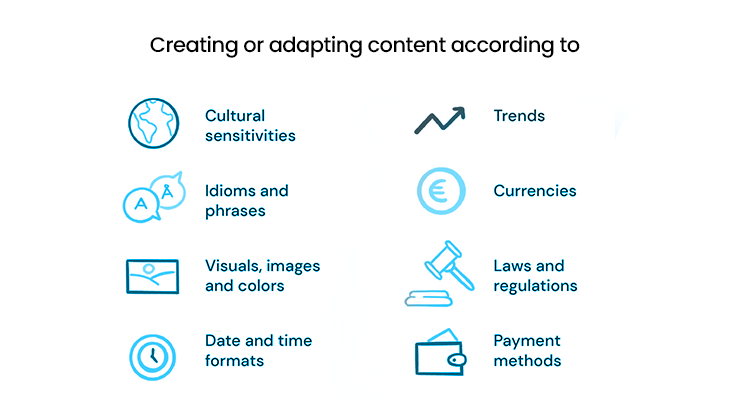
A message that doesn't connect with the culture can't be fixed by perfect grammar. When you localize something, you make sure that the material fits with the audience's conventions, sensitivities, and expectations. When adapting to a new culture, it's important to check things like the meanings of colors, idioms, time formats, and references to society.
A meal delivery service that translated its motto into different dialects is an example. The message was clear, but Marathi-speaking customers thought it was too sterile. A cultural consultant helped put it in terms that the local audience would understand. That minor tweak made a big difference in how users interacted with the site.
To find language that sounds "off" even though it is technically correct, organizations should use test groups of native speakers.
Technical Functionality Testing Guidelines
Localized information shouldn't get in the way of the user experience. Functionality testing ensures that technical parts like UI flexibility, script encoding, and link structures all perform well together.
Character encoding is a recurring issue in regional Indian scripts. Marathi, for example, uses the Devnagri script, which requires proper UTF-8 encoding. Without it, text may display incorrectly or fail to render at all. These problems typically emerge in automated website translation environments where insufficient testing precedes release.
Responsive testing across multiple browsers and devices will also ensure that translated content does not break layout or impact usability.
Quality Metrics and Benchmarking
To improve quality, one must measure it. The most effective teams implement clear benchmarks to track translation effectiveness over time.
Industry-Standard Quality Indicators
Professional localization teams rely on established frameworks to evaluate translations. One popular model is the Translation Quality Index (TQI), which assigns numerical scores based on error frequency and severity. Another widely used system is the Dynamic Quality Framework (DQF) developed by TAUS.
According to Nimdzi Insights, 88 percent of companies in the top tier of localization maturity use structured scorecards to track quality. This allows for comparability across languages, content types, and vendors.
Measurable Assessment Criteria
Before assessing success, organizations need to say what it looks like. Some standard metrics are:
Number of serious mistakes per 1,000 words
Rate of adherence to brand terms
Consistency in footers and navigation menus
Bounce rates and conversion rates after localization
In the real world, a website translation business that does Indian Language Translation, like English to Marathi Translation, would say that fixing problems with the wording of the CTAs led to an 18% drop in the bounce rate.
Performance Tracking Methodologies
Localization should be a dynamic, iterative process. Tracking performance over time helps identify weak points and areas for improvement. Teams often use tools like Devnagri AI to version-control translations and track revisions.
Analytics dashboards can show how translated pages perform compared to the original. This data, when combined with qualitative reviews, offers a complete picture of content effectiveness.
Technology-Driven Quality Assurance
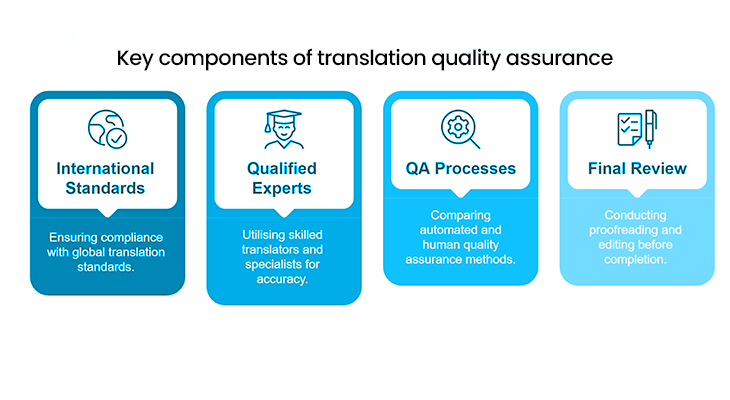
Automated tools play a growing role in quality control. However, technology should support human expertise, not replace it.
Automated Quality Checking Tools
Applications can quickly scan large volumes of content for numerical mismatches, untranslated segments, or inconsistent terminology.
These tools are particularly useful when deploying multilingual websites at scale. However, they cannot evaluate subjective qualities like tone, humor, or cultural nuances.
Manual Review Integration Strategies
To close the gap left by automation, manual reviews must be strategically inserted into the workflow. Use automation to find possible problems, and then have human reviewers look at the details and the situation.
It also helps to have different review positions. For instance, have a linguist evaluate the product descriptions, a designer check the layout breaks, and a marketing check the tone and message.
This layered method strikes a balance between speed and depth.
Continuous Improvement Frameworks
Quality shouldn't be a one-time check. It should be a loop that keeps going. Companies that regularly review and improve their translations often do better in their regions. According to McKinsey Global Institute, companies that integrate iterative feedback into their digital strategy improve local engagement by up to 34 percent. To begin, find the pages on your regional site that aren't doing well. Use the same quality measures we talked about before to rate them: rework, relaunch, and retest.
Stakeholder Involvement in Quality Control
Translators are not the only ones who are responsible for localization. It needs people from different departments and outside partners to work together.
Ways for teams to work together inside the company
Make sure that product managers, developers, compliance officials, and marketing leaders are involved from the start. Each stakeholder might give a different perspective on how language affects the user journey, legal risks, or the voice of the brand.
A cross-functional quality review board can help speed up responses, cut down on rework, and bring standards together.
Ways to Get Help from Outside Experts
A lot of businesses hire domain experts or native speakers of a language for specific projects. A trustworthy website translation company should have individuals who have been checked out and have experience in particular fields.
For example, medical websites that are translated into Marathi, Telugu, Bengali, or other languages put a lot of emphasis on getting the language right. The translator must also understand relevant terms approved by the Ministry of Health and Family Welfare. Legal and financial sites require similar diligence.
End-User Feedback Incorporation Systems
No review is more honest than that of the user. End-user feedback provides real-world validation of localized content quality. Add easy-to-use feedback tools in the site's language.
Surveys, chat logs, and even customer support tickets often have feedback on wording that isn't very obvious. Use this information to make future localization cycles better.
Final Thoughts
Quality in website localization is not subjective when approached systematically. By combining linguistic accuracy checks, cultural validation, technical QA, and real-world performance metrics, businesses can build user trust in every market they enter.
When your English to Marathi Translation or other regional projects follow such a framework, you go beyond compliance. You show that you care about your audience. That's how to get people to stick with you and have long-term success.
Begin by reviewing your current procedure. Find the holes. Get stakeholders involved. Then use the tools and strategies listed below to improve the quality of your localization from good to great.