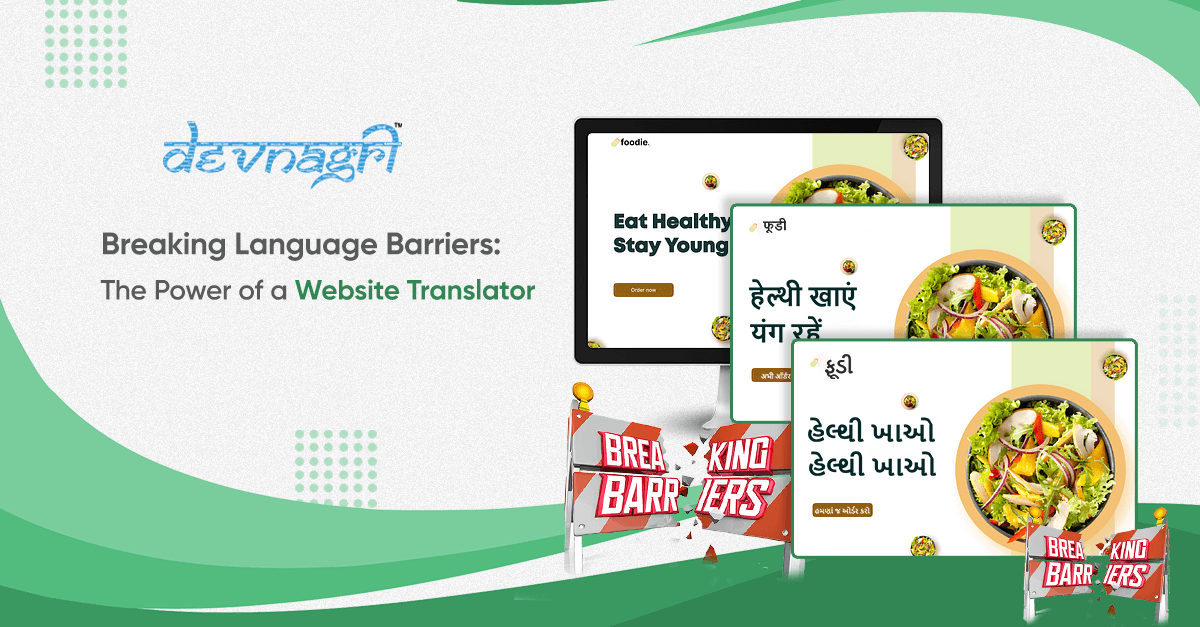
In today’s interconnected world, the Internet serves as a global marketplace where businesses can reach customers from all corners of the globe. However, with such diversity comes the challenge of language barriers. Enter the website translator – a powerful tool that bridges linguistic gaps, fosters inclusivity, and expands the reach of businesses worldwide.
Understanding the Need
Language barriers present a significant hurdle for businesses aiming to tap into international markets. A study by Common Sense Advisory revealed that 75% of consumers prefer to buy products in their native language. Furthermore, 60% of consumers rarely or never buy from English-only websites, even if they speak English proficiently. These statistics underscore the importance of offering multilingual content to cater to diverse audiences effectively.
Introducing the Website Translator
A website translator is a tool that automatically converts the content of a website from one language to another in real time. This technology enables businesses to offer their web content in multiple languages without the need for manual translation. By integrating a website translator into their online platforms, businesses can provide a seamless browsing experience for users regardless of their language preferences.
How it Works
Website translators employ sophisticated algorithms and machine learning techniques to analyze and translate text on web pages. When a user visits a website, the translator detects their preferred language settings and dynamically translates the content into the desired language. The translation process occurs instantaneously, ensuring that users can access information without delays or disruptions.
Benefits for Businesses
- Global Reach:
By offering multilingual content, businesses can reach a broader audience across different geographical regions. A website translator eliminates language barriers, making it easier for international users to engage with the brand.
- Enhanced User Experience:
Providing content in users’ native languages enhances their browsing experience and fosters a sense of inclusivity. Visitors are more likely to stay on a website that speaks their language, leading to increased engagement and higher conversion rates.
- Improved SEO:
Multilingual websites are more likely to rank higher in search engine results pages (SERPs) for relevant keywords in different languages. This boosts visibility and attracts organic traffic from diverse linguistic backgrounds.
- Cost-Effective Solution:
Traditional translation solutions can be costly and time-consuming. In contrast, a website translator automates the translation process, saving businesses time and resources while ensuring consistent and accurate translations.
Challenges to Consider
While website translators offer numerous benefits, there are some challenges to be aware of:
- Accuracy:
Machine translation may not always capture the nuances of language accurately, leading to potential errors or misunderstandings. Businesses should regularly review translated content to ensure quality and relevance.
- Cultural Sensitivity:
Certain phrases or expressions may not translate well across languages and cultures. It’s essential to consider cultural sensitivities and adapt content accordingly to avoid unintentional offense or misinterpretation.
- Technical Limitations:
Website translators may struggle with certain types of content, such as images, videos, or dynamic elements. Businesses should assess the compatibility of their website’s design and functionality with translation tools.
Best Practices for Implementation
To maximize the effectiveness of a website translator, businesses should consider the following best practices:
- Choose a Reliable Translator:
Select a reputable website translation solution that offers accurate translations and supports a wide range of languages. Look for features such as customizable language preferences and automatic language detection.
- Customize Content:
Tailor translated content to suit the preferences and cultural norms of target audiences. Avoid literal translations and prioritize clarity and readability to ensure a positive user experience.
- Test and Iterate:
Regularly test the functionality of the website translator and gather feedback from users to identify areas for improvement. Continuously iterate on translated content to address any issues or inconsistencies.
- Monitor Performance:
Track key metrics such as website traffic, engagement, and conversion rates to measure the impact of multilingual content. Adjust strategies based on data insights to optimize performance over time.
Conclusion
In an increasingly globalized marketplace, overcoming language barriers is essential for businesses seeking to expand their reach and connect with diverse audiences. A website translator offers a cost-effective and efficient solution to this challenge, enabling businesses to provide multilingual content and enhance the user experience. By embracing this technology and implementing best practices, businesses can unlock new opportunities for growth and success in the digital age.
In summary, the power of a website translator lies in its ability to break down linguistic barriers and foster inclusivity on a global scale. As businesses continue to adapt to the demands of an interconnected world, embracing multilingualism is not just a choice but a strategic imperative for success.