In 2024, something interesting occurred. India's e-commerce market saw regional languages, especially Indian Languages like Bengali, Tamil, Marathi, Telugu, or more, play a significantly larger role than most had predicted. Andhra Pradesh and Telangana together accounted for over 15% of regional-language transactions, according to Statista. That's not just a shift in how people shop; it's a shift in how they expect to be spoken to.
Now, let's focus on something small but surprisingly impactful: the way we display dates and times. Not formatting them right? That's more than a typo. It can lead to confusion, missed appointments, and even lost revenue, especially when you're dealing with fast-moving markets like India, where a user in Hyderabad may interpret "04/06/2025" differently than someone in London or San Francisco.
This guide outlines the key reasons why date and time localization isn't just a technical step, but a strategic decision. We'll also get into specific methods for doing it right, particularly when entering tier-2 markets. It's about building trust, staying legally accurate, and yes, delivering better conversions too.
Why This Matters More Than You Think.
Here's something that makes most executives pause, nearly 76% of users say they're more likely to buy from a website that communicates in their language. That includes how dates are shown. This statistic comes from CSA Research, and it's easy to overlook until it has a direct impact on your business.
Let's say you're a global brand and you send out a delivery confirmation that says "Expected: 05/07/25." A customer may assume that's the 5th of July. But if your system was set to U.S. formatting, it might've meant May 7th. The result? Confused customers, missed delivery expectations, and possibly cancelled orders.
In sectors such as banking, insurance, or healthcare, where accuracy is crucial, these errors aren't just frustrating. They can be dangerous. Misinterpreting an expiration date on an insurance policy or a legal notice could lead to missed deadlines or non-compliance. No company wants to land in that territory.
Then there's the perception problem. Customers in southern regions want to feel like brands "get" them. Showing the wrong calendar format sends the opposite message. It feels generic or lazy. And once that impression sets in, it's hard to undo.
Making It Work Technically (Without Creating a Mess)
Now, this is where it often gets tricky. Localization teams are already juggling a dozen other tasks. However, automating the process with the proper machine translation API can significantly reduce the chaos.
Here's what works in practice:
Detects the user's locale automatically. Good APIs don't just translate text; they also adjust how numbers, dates, and times are presented. When your CMS pushes an update or your platform sends a transactional email, the backend performs date/time formatting based on the user's location. Users view dates in a manner that feels natural to them.
Integrate with your content systems. If your business uses an ERP or CRM system, it helps to connect your translation and localization workflows directly. This ensures consistency; whether it's a dashboard timestamp or a customer invoice, the format stays familiar.
Set up QA protocols. Even automated systems can glitch. For high-impact content, such as legal documents, use testing tools (like Selenium or Postman) to simulate how your date and time data appear across regions and devices.
Scalability matters. Once you start localizing for multiple Indian states or global regions, manually handling everything becomes impossible. But an API-driven system can scale up fast and avoid bottlenecks during busy campaigns.
Language is a Cultural System
Here's something not everyone realizes, English to Telugu Translation, or for any other Indian language translation, isn't just about how words are written. It's about how time is understood.
The Indian calendar, for instance, follows the lunar cycle in many cultural and religious contexts. While modern business operations primarily follow the Gregorian calendar, customers still plan their schedules around events such as Ugadi (New Year), Sankranti, and other regional festivals.
Timing your campaigns or business deadlines around these days shows cultural respect and increases engagement. A fintech brand launching a savings scheme just before Diwali? Smart. Doing the same thing on a local holiday like Bonalu without acknowledging it? Tone-deaf.
Also worth noting: urban users may prefer 24-hour clocks in work settings, while more traditional rural users tend to stick to 12-hour time with AM/PM distinctions. Your content strategy should take these preferences into account, especially for platforms that handle bookings or appointments.
There's also the issue of time zones. India doesn't use Daylight Saving Time, but your global systems might. If you have employees, vendors, or customers across multiple locations, accurately syncing time zones is crucial. Even an hour of difference in a meeting invite or deadline can throw operations off balance.
Tools and Habits That Make It All Easier
Let's get practical. Here are some tested strategies we've seen work for brands entering or expanding in most areas:
Use an advanced machine translation API that handles both text and metadata (like timestamps). Tools like Devnagri's API can translate UI elements and date/time content within a single pipeline.
Blend automation with human review. For legally sensitive or brand-critical content, it's always smart to include a cultural reviewer, someone who understands the subtle nuances of language-specific formatting, festivals, and terminology.
Monitor performance. If your platform has thousands of daily users, implement logging or analytics tools that flag inconsistencies in how temporal data is displayed. Catching and fixing those issues early saves damage to your reputation later.
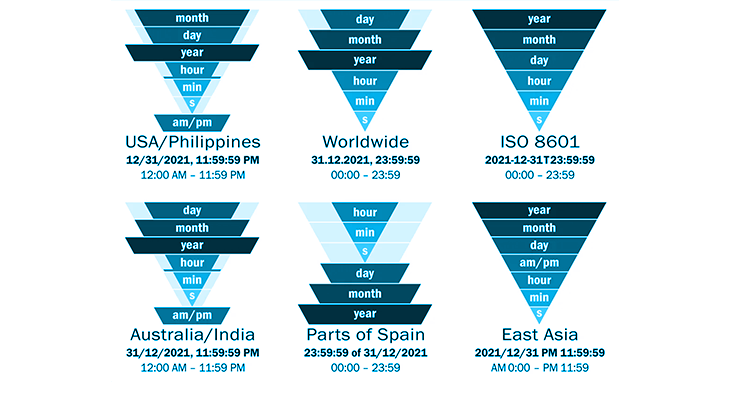
Avoid hardcoding formats. Many legacy platforms have date fields locked into MM-DD-YYYY or similar rigid formats. Migrate to dynamic, locale-aware formatting libraries, which work better with APIs and ensure flexibility as your platform evolves.
Partner with a website translation agency that understands regional localization, not just language translation. Agencies with experience in Tier-2 markets will bring insights that templated solutions often miss.
How Devnagri Works?
Devnagri's localization platform is engineered to help businesses adapt content not just linguistically, but also structurally, especially when it comes to regional nuances such as date and time formatting. For companies expanding into diverse markets, Devnagri ensures that time-sensitive information, such as delivery dates, legal timelines, and appointment schedules, is presented accurately and culturally correctly.
The process begins when source content is sent through Devnagri's machine translation API, which seamlessly integrates with websites, mobile apps, CRMs, or notification systems. The API identifies temporal elements, such as dates and timestamps, embedded in content and automatically converts them based on the user's locale, adapting formats, for example, DD-MM-YYYY for different audiences.
Once machine translation is complete, the output undergoes a human review layer. Domain-specific linguists validate that date expressions align with regional expectations, especially around events, holidays, and local business calendars. This is crucial when launching campaigns during festivals or managing cross-border scheduling across time zones.
Devnagri's ability to localize both language and structure enables brands to maintain user trust in a scalable and accurate manner. Whether you partner with a website translation agency or manage internal workflows, Devnagri equips you to handle regional localization challenges, including the often-overlooked aspects, such as temporal accuracy.
Wrapping It Up
Date and time localization for international and Indian languages like English to Telugu Translation might not sound exciting, but it's a silent business driver. Get it right, and everything falls into place. Customers feel at home. Systems stay in sync. Revenue goes up. Get it wrong, and things fall through the cracks, often without anyone realizing the root cause.
As your business expands into new geographies, don't overlook the importance of something as small but crucial as how you display the time.
Start with a simple audit. Check your emails, your dashboards, your receipts. Are your dates formatted for the tier-2 market? If not, there's your first step. From there, consider automation, utilize a capable machine translation API, and seek support from a qualified website translation agency.
You don't need to change everything overnight, but the sooner you start, the smoother your international operations will run.