Is Gemini Becoming the Go-To AI for Indian Languages?
India's Linguistic Complexity
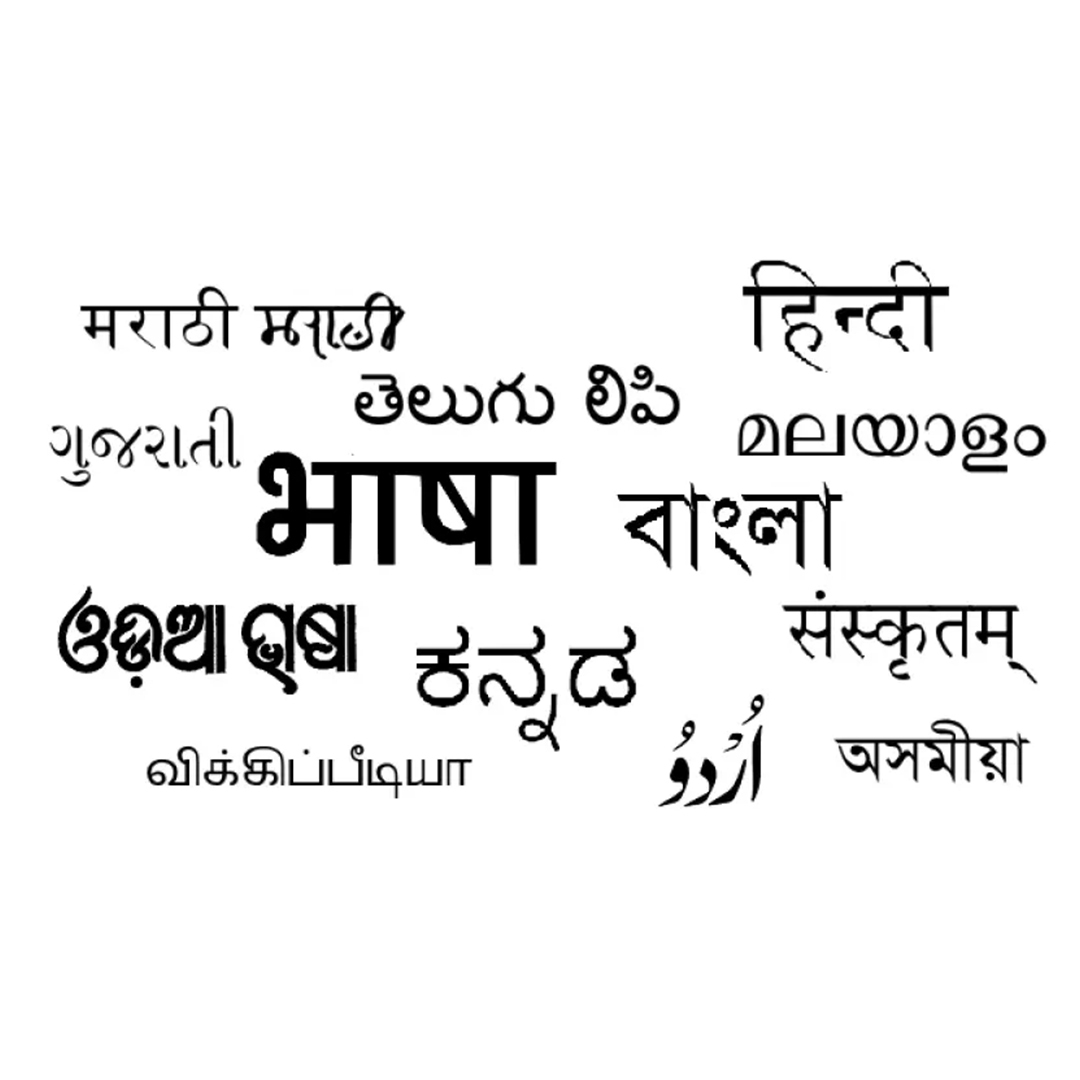
India today represents the largest untapped linguistic market in the world. Internet penetration has reached an estimated 886 million active users in 2024, with rural users (~488 million) driving growth. This makes India a natural testing ground for global tech players. The next wave of digital growth is not coming from English-speaking users but from regional language speakers who are now coming online in millions every month.
The Regional Content Imperative
Debanjan Chakraborty, VP and India digital advisory, Edelman, said: "LLMs are currently disproportionately trained on English and Western-centric data. Hindi, Tamil, and other regional languages are underrepresented, leading to uneven brand visibility." This means brands may dominate English queries but suddenly disappear in answers where vernacular or local LLM outputs are required.
Current LLM Performance
Binesh Kutty, senior director, Burson India, explained that many leading models perform reasonably well in widely spoken Indian languages like Hindi, Marathi, and Tamil. However, they continue to underperform in less-represented languages such as Odia and Punjabi.
Cultural Context Challenges
Nakul Kundra, Co-founder of Devnagri AI, emphasized: "Global players are making an effort, but their models are still largely trained on Western datasets. The need is not just to translate text but to embed cultural context into AI models. That level of granularity is critical in India’s fragmented media landscape."
Operational Complexities
Yasin Hamidani, director, Media Care Brand Solutions, explained that in India, a single campaign often needs adaptation across 8–10 languages with unique tonality, cultural codes, and platform habits. On YouTube or ShareChat, vernacular video thrives; on Instagram, Hinglish dominates; while Twitter/X leans towards English. Managing consistency while staying locally relevant is the biggest challenge.
Implications for Communications
Binesh added that communication professionals must fine-tune content placement strategies and stay alert to misinformation in multiple languages. This requires access to solutions that identify supply gaps and demand patterns across formats. Features like auto-dubbing are emerging but underutilised since the onus remains on users to activate them.
Gemini vs. ChatGPT for Indian Languages
Last month, Google’s Gemini crossed 450 million monthly active users globally. It currently supports nine Indian languages (Hindi, Bengali, Gujarati, Kannada, Malayalam, Marathi, Tamil, Telugu, Urdu) and is expanding to 12. Meanwhile, ChatGPT, with 40.52 million monthly downloads worldwide, has India as its second-largest user base after the US. While ChatGPT can generate text in Hindi, Tamil, Telugu, and Bengali, its fluency and cultural nuance are inconsistent compared to Gemini.
Translation Accuracy Challenges
Nakul Kundra pointed out that global LLMs struggle with code-mixing (Hinglish/Tanglish), romanised inputs, dialectal forms, and locally specific named entities. These challenges can cause mistranslations with reputational, financial, or even human consequences. He noted the importance of language-aware SEO strategies, cultural nuance, and native moderation to build trust and relevance.
Dataset Limitations
Arati Mukerji, founder of Commarati, explained that global LLMs work well for simple translations but miss cultural context. For example, ‘festival’ may simply be translated as ‘tyohar’ without reflecting Diwali, Pongal, or Eid. Datasets for regional languages are still limited and often reflect urban styles rather than everyday speech. Discovery remains another challenge as hashtags and algorithms are still dominated by English.
India's Indigenous LLM Ecosystem
India currently has around 28 LLMs with Indian language capabilities. Key examples include:
- Sarvam-1 and Sarvam-2b: Trained for 10 Indian languages including Hindi, Bengali, Gujarati, Tamil, and Telugu.
- MuRIL: Developed by Google Research India, pre-trained on 17 Indian languages and their transliterations.
- Navarasa 2.0: Supports 15 Indian languages plus English.
- Krutrim: Processes all 22 constitutionally recognized languages and generates outputs in 10.
- BharatGPT: Supports 12+ languages for multilingual assistants.
- OpenHathi: Specialized in Hindi and English.
- AryaBhatta-GemmaGenZ-Vikas-Merged: Supports nine Indian languages.
Future Outlook
The companies that localize not just words but storytelling, optimize SEO by language cohort, and invest in language-native moderation will win deeper trust and cultural relevance in India’s diverse linguistic landscape.
Source:https://www.prmoment.in/pr-insight/is-gemini-becoming-the-go-to-ai-for-indian-languages